Is Tulum Safe?
Is Tulum safe? A practical 2026 guide to advisories, nightlife risk, taxis, scams, roads, beach safety, areas to stay, and safer travel habits.
 Claire Thompson
Canadian abroad, Caribbean & first-time visitor logistics
Last reviewed: 03 Jun 2026
Claire Thompson
Canadian abroad, Caribbean & first-time visitor logistics
Last reviewed: 03 Jun 2026
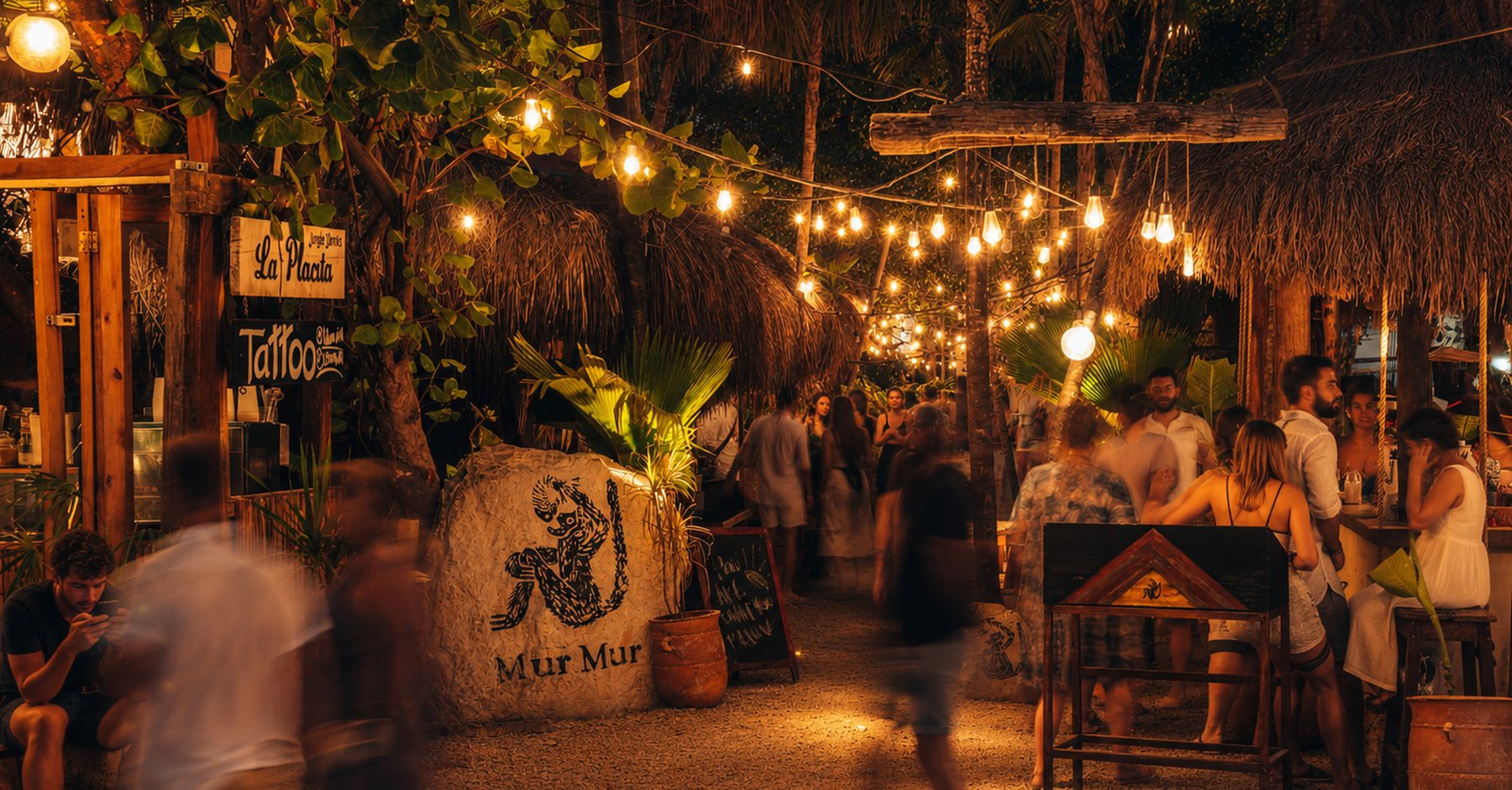
The honest answer: Tulum is safe enough for many travelers who plan carefully, but it is not the friction-free beach town people still imagine from old Instagram posts.
I live in Playa del Carmen, and Tulum is one of the places visitors ask me about with the most nervous little pause. They have seen the beaches, the cenotes, the restaurants, the jungle hotels. They have also seen headlines about shootings, taxi fights, cartel activity, drug sales, overcharging, and people getting stuck with a huge ride bill at midnight.
Both can be true. Tulum can be beautiful. Tulum can also be expensive, uneven, and more complicated than first-timers expect. The safest version of a Tulum trip is not paranoid. It is just deliberate: choose the right area, simplify transportation, avoid messy nightlife situations, and stay current on advisories.
Quick Answer
| Question | Practical answer |
|---|---|
| Is Tulum safe for tourists? | Many tourists visit without serious problems, but risk rises with late nights, drugs, isolated roads, unclear taxis, and poor location choices. |
| Is the beach zone safer than town? | It can feel more controlled, but taxis are expensive and nightlife adds risk. Town can be fine if you stay central and use normal city awareness. |
| Is Tulum safe for solo female travelers? | It can be, but I would choose a central, well-reviewed hotel, avoid isolated night walks, and pre-plan transport. |
| Biggest avoidable risk? | Transport friction after dark, especially after drinking. |
| Should nervous first-timers go? | Yes if they want Tulum specifically and will plan. If they want easy, Cancun Hotel Zone, Isla Mujeres, or a resort near Akumal may feel calmer. |
Current Advisory Context
As of this May 2026 update, the U.S. State Department lists Quintana Roo, the state that includes Tulum, under an “exercise increased caution” advisory. The advisory also tells travelers in Quintana Roo to be alert after dark in downtown areas of Cancun, Tulum, and Playa del Carmen and to stay in well-lit pedestrian streets and tourist zones. Canada advises a high degree of caution for Mexico because of criminal activity and kidnapping risks.
That is not the same as “do not go.” It also is not a green light to act like you are at an all-inclusive pool bar with no outside world. Tulum sits in a state with serious organized-crime issues, and the drug market around nightlife is part of the risk. Tourists are not usually the target, but bystanders can still be harmed when violence happens in public places.
Check advisories again shortly before your trip. Security alerts can change quickly, especially after major operations, local incidents, storms, or transport disruptions.
The Main Risks In Tulum
1. Nightlife And Drug-Market Risk
This is the uncomfortable one, so let’s say it plainly: the more your trip revolves around late nights, heavy drinking, drugs, or after-hours parties, the more risk you add. Some violence in Tulum has been connected to organized crime and the drug trade. You do not need to participate for it to affect the atmosphere around certain venues.
My rule: skip drugs entirely, keep your drink in sight, leave before the night gets messy, and know how you are getting home before you go out. If a place feels tense, too aggressive, or oddly uncontrolled, leave. You do not owe a bar your patience.
2. Taxi And Transport Problems
Tulum taxis are a common source of traveler frustration. Complaints include high fares, inconsistent pricing, pressure at night, and confusion around beach-zone routes. Rideshare availability and local enforcement can change, so do not build your whole safety plan around an app working exactly when you need it.
For airport arrivals, late-night returns, and hotel-zone moves, use a pre-booked transfer, a hotel-arranged taxi with the fare confirmed, or a reputable driver recommended by your accommodation. Always confirm the price before entering the vehicle.
3. Road And Scooter Accidents
Road risk does not get enough attention. Scooters look fun until you are on a dark road with sand, potholes, impatient drivers, no shoulder, and a helmet that fits like a souvenir bowl. Bike lanes and roads vary. Construction can change routes. Rain can make everything slick.
If you rent a scooter, wear a real helmet, avoid night riding, do not drink, and assume drivers may not give you North American-style space. For most short-stay visitors, taxis, bikes in daylight, or arranged transport are safer than learning Tulum traffic by trial and error.
4. Theft And Phone Snatching
Petty theft is the normal city / beach problem: phones on restaurant tables, bags on beach chairs, wallets in loose pockets, unattended items at cenotes, and distracted travelers leaving a club. Do not bring your passport out at night. Keep one backup card separate. Use a small crossbody or zipped bag.
At the beach, assume anything left alone can disappear. At cenotes, use lockers when available. In restaurants, keep your phone off the table edge. Boring advice, annoyingly effective.
5. Scams, Overcharging, And Fake “Fees”
Tulum has a reputation for creative pricing. Some of it is normal tourist-zone markup. Some of it is not. Confirm beach-club minimum spends, parking fees, cenote entry, taxi fare, tour inclusions, and restaurant service charges before accepting.
For the ruins and Parque del Jaguar area, check official fees and access rules before arrival. Old blogs may not reflect the current mix of INAH, CONANP, park, parking, shuttle, or local access charges.
6. Water, Heat, And Nature Safety
Heat can be brutal, especially at ruins and cenotes where people underestimate walking time. Bring water and electrolytes. Do outdoor activities early. For cenotes, shower first, avoid sunscreen before entering, and do not swim if the water smells off, looks murky, or recent reviews mention water-quality concerns.
Sargassum can affect beaches, smell, and swim conditions, especially in warmer months. Hurricane season also deserves respect. Check official weather sources before and during travel.
Safer Areas To Stay
| Area | Safety feel | Best for | Caution |
|---|---|---|---|
| Tulum Beach | More tourist-polished, expensive, spread out | Couples, beach clubs, design hotels | Late taxis, nightlife, isolated stretches |
| Tulum Centro | Busier, more local, more services | Food, budget, ADO access | Traffic, noise, normal street awareness |
| Aldea Zama | Planned, quieter, condo-heavy | Longer stays, quieter hotels | You still need transport to beach / town |
| La Veleta | Popular with foreign residents and longer stays | Apartments, restaurants, value | Construction, road conditions, uneven lighting |
| Akumal / Chemuyil resorts | Lower-friction resort stays | Families, nervous first-timers | Not really Tulum town; day trips require transport |
For a first visit, I would rather have you stay somewhere slightly less “cool” but easier to get home to. Location is safety infrastructure. A beautiful hotel can become a bad decision if every dinner ends with a stressful ride negotiation.
Who Should Think Twice
Tulum may not be the best fit if you are a very nervous first-time Mexico traveler, if you plan to party heavily, if you need stroller-simple logistics, or if your budget cannot absorb taxis and private transfers. It is also not ideal for travelers who get anxious when prices are unclear or plans change.
If you want beach, ease, and a calmer first trip, consider Isla Mujeres, Akumal, Puerto Morelos, or a good resort north of Tulum. If you want culture, food, and walkability with better transport options, Mexico City or Oaxaca may feel more manageable despite being bigger cities.
Practical Safety Rules
Use these rules and Tulum gets much easier:
- Book your arrival transfer before landing.
- Save offline maps and hotel addresses.
- Keep emergency cash and a backup card separate.
- Confirm taxi fares before entering.
- Avoid isolated roads and beach walks after dark.
- Do not buy or use drugs.
- Watch your drink and leave with people you trust.
- Avoid scooter riding at night.
- Use lockers at cenotes and keep beach valuables minimal.
- Recheck official advisories, weather, and hotel messages before travel.
Also download or bookmark Quintana Roo’s Guest Assist resource. It exists for visitors in the Mexican Caribbean and can point travelers toward tourist assistance, emergency contacts, and official service-provider information. For immediate emergencies in Mexico, call 911.
Solo Female Traveler Notes
I would not tell a solo woman to avoid Tulum automatically. I would tell her to build the trip with less friction than a couple or group might accept. Stay in a well-reviewed hotel with responsive staff. Avoid remote Airbnbs on rough roads unless you have a driver plan. Keep evening plans close together. Do not rely on making transport decisions after drinks.
Daytime Tulum can feel easy: cafes, shops, beaches, ruins, yoga, cenotes. The caution is the edge of the day, when the road gets dark, your phone battery is low, and the only taxi nearby decides the fare is whatever number they feel like saying.
Reality Check
Tulum is not a place I would describe as either “dangerous” or “totally safe.” Both labels flatten the truth. It is a high-demand tourist destination with real beauty, real money, real inequality, real organized-crime pressure, and real traveler friction.
Most careful visitors will be fine. But Tulum asks for more planning than the glossy version suggests. If you keep transport simple, avoid drugs and messy nightlife, choose the right base, and pay attention to current advisories, you reduce the risks that actually affect travelers.
The safest Tulum trip is usually the one with fewer late-night decisions.
Helpful Next Reads
- Tulum travel guide
- Is Mexico Safe?
- Mexico safety hub
- Cancun safety guide
- Playa del Carmen safety guide
- Cancun vs Tulum
FAQ
Is Tulum safe right now?
As of this May 2026 update, Tulum is open to travelers, and many visitors go without serious problems. Check U.S., Canadian, or your own government’s travel guidance again before booking and shortly before travel because advisory details can change.
Is Tulum safe at night?
Some areas are active at night, but risk rises after dark, especially with alcohol, drugs, isolated roads, and unclear transportation. Use known transport and avoid walking alone through quiet stretches.
Is Tulum safe for families?
Families can visit safely, especially with a well-located hotel or resort, pre-booked transfers, early activities, and limited late-night movement. Families may find Akumal or resort areas north of Tulum easier.
Are taxis safe in Tulum?
Many visitors use taxis without major issues, but fare disputes and high prices are common complaints. Confirm the fare before entering, use hotel-recommended drivers when possible, and avoid improvising late-night rides.
What should I avoid in Tulum?
Avoid drugs, isolated late-night walks, drunk scooter riding, leaving valuables unattended at beaches or cenotes, and booking remote lodging without a transport plan.
Sources and verification
Safety guidance changes. Check these official sources again before booking and shortly before departure.
U.S. Department of State: Mexico Travel Advisory
Check the current state-level advisory and regional guidance before travel.
Government of Canada: Mexico travel advice
Independent government travel advice covering safety, entry, and regional conditions.
UK FCDO: Mexico travel advice
Review current regional safety, transport, and local-law guidance.