Tulum Travel Guide
 By Maria Lopez - Mexican local author, Caribbean Coast - Updated 05 Jul 2026
Short on time
- Guide Best Day Trips from Tulum - Start here
- Guide Best Hotels in Tulum - Start here
- Guide Is Tulum Safe? - Start here
- Guide Tulum Itinerary - Start here
Editorial rankings are independent and not for sale.
Plan Tulum in 2026 with honest advice on hotels, beaches, ruins, cenotes, airport transfers, taxis, sargassum, safety, prices, and traveler complaints.
The first time I went to Tulum for something other than the ruins, it still had that rough-around-the-edges beach-town feeling: sandy feet, late ceviche, sandy feet, late ceviche, a bike that squeaked like it had opinions. That Tulum is not completely gone, but you have to look harder for it now.
In 2026, Tulum is still one of the most beautiful parts of the Mexican Caribbean. The water can be absurdly blue, the ruins still sit above the sea like they were designed for a postcard, and the cenotes around town are a gift. But the destination also has real problems: high prices, taxi abuse, confusing beach access, sargassum seasons, construction, nightlife safety risk, and a review pattern that has shifted from “hidden paradise” to “beautiful but exhausting.”
My honest answer: Tulum is worth visiting if you choose your base carefully, budget for transport, and plan around current conditions instead of old social media memories.It is not the easy bohemian bargain some people still sell online.
Quick Answer
| Question | Best answer for most travelers | The catch |
|---|---|---|
| Is Tulum worth it in 2026? | Yes, for ruins, cenotes, design hotels, wellness trips, and a short Caribbean base | Not if you expect low prices, easy beach access, or relaxed transport |
| Best area to stay | Tulum Town for value, Beach Zone for beachfront hotels, Aldea Zama for a middle ground | Daily taxi costs can erase hotel savings |
| Best length | 3 or 4 nights | Two nights feels rushed once transport and heat are included |
| Best first booking | Hotel area and airport transfer | The wrong location creates daily friction |
| Best splurge | A good hotel, private transfer, or early ruins / cenote plan | Overpriced beach clubs and vague tours are weaker value |
| Biggest risk to the trip | Taxi pricing, sargassum, heat, and nightlife decisions | You can reduce all four with planning |
Should You Go To Tulum?
Go to Tulum if you want a trip built around Caribbean water, cenotes, the Tulum archaeological zone, Sian Ka’an or Muyil, food in town, boutique hotels, yoga, beach clubs, and a little drama in the landscape. Tulum is especially good when you keep the plan simple: one main outing in the morning, rest in the heat, dinner close to where you are staying.
Skip or shorten Tulum if you want a calm, low-cost beach town where you can walk everywhere and never think about logistics. That version exists more reliably in places like Puerto Morelos, parts of Cozumel, Akumal, Bacalar, or even Playa del Carmen depending on your style. Tulum asks you to manage more: money, distance, access, and expectations.
The happiest visitors I see in Tulum are not the ones trying to “do Tulum.” They are the ones who know exactly which Tulum they came for.
Where To Stay In Tulum
| Area | Best for | Why it works | Watch out for |
|---|---|---|---|
| Tulum Town | Food, value, cenotes, longer stays, people who want to leave the hotel | More restaurants, shops, buses, cheaper rooms, easier local life | Not beachfront; beach taxis can be painful |
| Beach Zone | Couples, design hotels, beach clubs, wellness trips, short splurges | You wake up near the water and reduce some beach-road movement | High prices, minimum spends, weaker value complaints, nightlife noise in places |
| Aldea Zama | Apartments, groups, a middle ground between town and beach | Newer condos, quieter than the beach road, useful for longer stays | Still needs taxis, bikes, scooters, or a car |
| La Veleta | Longer stays, apartments, remote-work trips, lower nightly rates | More space for the money and local restaurants nearby | Road conditions and construction vary block by block |
| Tankah, Chemuyil, Akumal | Quieter beach stays outside central Tulum | Better for travelers who want less nightlife and more water time | You need transport for Tulum restaurants and ruins |
If this is your first trip and you have three nights, I would usually choose either Town or Beach Zone, not a far-flung “looks close on the map” apartment. Tulum punishes vague location decisions. A cheap stay becomes expensive when every dinner turns into a negotiation with a taxi.
Best Things To Do
Tulum Ruins
The ruins are still the classic first stop, and yes, the cliffside setting is special. Go early, bring water, wear a hat, and assume there may be extra access rules or separate charges connected to Parque del Jaguar and conservation management. INAH notes that third-party charges may apply beyond the archaeological entry fee, so confirm what is included before you pay, and budget a little extra.
This is not a full-day archaeological site like Chichen Itza. It is shorter, hotter, and more visual than immersive. The mistake is arriving late, then paying too much for a rushed guide or add-on you did not actually want.
Cenotes
Cenotes are where Tulum still feels like magic, but they need respect. Do not wear regular sunscreen into the water, do not touch formations, and do not treat cave systems like a swimming pool with better lighting. Good options depend on your comfort level: some cenotes are open and easy, others are cave-like, deep, or better with a guide.
If you are nervous in water, choose a simple cenote with life jackets, clear access, bathrooms, and staff on site. If you dive or snorkel, use a reputable operator. This coast is beautiful because of fragile systems, not because people behaved perfectly. Gentle eye-roll, but true.
Sian Ka’an Or Muyil
For nature, Sian Ka’an and Muyil are stronger than most Instagram-only activities. They work best with a responsible guide, especially if you want to understand the wetlands, lagoons, birds, mangroves, and Maya history instead of just collecting photos. Do not book the cheapest vague “eco tour” without checking group size, route, pickup point, and what is actually included.
Tulum Town Food
Town is where many travelers find better value and better meals. The beach has photogenic restaurants, but recent review patterns keep repeating the same complaint: expensive food that feels designed more for the bill than the plate. In town, you can still eat tacos, seafood, breakfast, and Yucatecan dishes without turning every meal into a luxury event.
Beach Day
A Tulum beach day can be gorgeous. It can also be expensive, sargassum-heavy, or tangled in access rules. Some beaches are reached through paid clubs or hotels, some access points are tied to Parque del Jaguar, and conditions change by season. Before promising yourself an ideal beach week, check current sargassum reports, hotel photos from recent dates, and whether your hotel gives direct access.
Getting To Tulum
Tulum now has two main airport paths: Cancun International Airport and Tulum International Airport. Cancun still has more flight choice for many travelers, while Tulum Airport can save road time if schedules and fares work. Do not choose only by flight price. Add the transfer.
ADO buses are the best budget option when the schedule matches your arrival. They work especially well for Cancun, Playa del Carmen, and Tulum town, but they do not solve every final-mile problem. If your hotel is deep in the beach zone or outside town, you may still need a taxi or pre-arranged transfer after the bus.
Private transfers are boring, and I mean that as a compliment. For late arrivals, families, lots of luggage, or beach-zone hotels, a reputable pre-booked transfer can be worth the extra cost because it removes the first negotiation of the trip.
Tren Maya is part of the regional transport picture, including Tulum and Tulum Airport stations, but in practice, the final 15 to 40 minutes can matter more than the big transport headline.
Getting Around Tulum
This is the part of Tulum that ruins trips. Not the ruins. The moving around.
Taxis in Tulum have a long pattern of traveler complaints: high fares, no clear meter, inconsistent rate sheets, pressure around festivals or nightlife, and occasional intimidation reports. Local coverage in late 2025 and 2026 continued to document excessive fares and conflict around ride-hailing. Reddit and recent traveler forums are split on Tulum overall, but they are weirdly consistent on this point: transport can feel overpriced and unpredictable.
Your best options:
| Option | Best for | Caution |
|---|---|---|
| Pre-booked airport transfer | Arrival, families, late flights, beach hotels | More expensive than bus |
| ADO bus | Cancun, Playa, Tulum town, budget travelers | Final-mile ride may still be needed |
| Rental car | Cenotes, Coba, Akumal, flexible day trips | Parking, police stops, rough roads, insurance, sober driving |
| Bike | Town-to-beach rides for confident riders | Heat, traffic, darkness, road conditions |
| Scooter / ATV | Short local movement for experienced riders | Accidents, police fines, helmet rules, theft risk |
| Taxi | Short rides when price is agreed first | Confirm fare before entering; use hotel-vetted rides when possible |
I would not build a Tulum trip around “we’ll just grab rides when we need them.” That is exactly how the budget leaks.
Safety And Current Context
Tulum is not a place where most tourists are harmed, but it is also not a bubble. The U.S. State Department currently lists Quintana Roo as “exercise increased caution” due to terrorism and crime, and Canada advises a high degree of caution for Mexico. Canadian guidance also notes that violent crime can occur in tourist areas, including hotels, nightclubs, and restaurants, and warns about overcharging and taxi-related risks in Mexico more broadly.
For Tulum specifically, the higher-risk situations are predictable: late-night nightlife, drug purchasing, isolated roads, unclear taxis, beach-road drinking, scooter accidents, and arguments over bills or fares. Most travelers can reduce risk by staying in well-reviewed lodging, keeping nights simple, arranging the ride home before going out, avoiding drugs, not flashing jewelry, and refusing to turn every dispute into a street negotiation.
If you plan nightlife around Zamna, Day Zero, beach clubs, or late hotel-zone parties, be more conservative than your vacation brain wants to be. Tulum’s party economy is part of the destination, but it is also where some of the worst traveler stories cluster.
Sargassum, Weather, And Seasonality
The cleanest water is more likely from late fall through winter, especially November to March, but there are no guarantees. Sargassum patterns change by beach and week. In 2026, reports from local and regional outlets have described an early and heavy season, with large cleanup operations across Quintana Roo.
This does not mean every Tulum beach is ruined every day. It means you should not book a nonrefundable beach trip in May, June, July, or August based only on ideal old photos. North Tulum, the ruins area, the hotel zone, Akumal, Cozumel, Isla Mujeres, and cenote days can all have different conditions at the same time.
Hurricane season runs June through November for the Atlantic basin. The National Hurricane Center is the source to check close to travel dates. For most trips, rain is a schedule problem more than a disaster, but tropical systems are different. Do not ignore them.
Budget Reality
Tulum is expensive for what it is, especially on the beach. That sentence will annoy someone, but it is useful. A room, dinner, taxi, beach club, and tour can add up faster here than in Playa del Carmen or Valladolid, and sometimes faster than travelers expect in Mexico.
For a realistic daily budget, add:
- Airport transfer or bus plus final taxi
- Daily movement between town, beach, cenotes, and dinner
- Beach club minimum spends or access fees
- Ruins, Parque del Jaguar, cenote, or conservation fees
- Tips, water, parking, and cash-only moments
- The cost of changing plans when sargassum, rain, or heat wins
The best value move is not always choosing the cheapest hotel. It is choosing the location that saves you from two overpriced rides every day.
A Good First-Time Tulum Plan
Day 1: Arrive And Stay Close
Do not over-plan arrival day. Check in, eat near your hotel, buy water, confirm tomorrow’s route, and sleep. If you arrive late, keep the night boring. Tulum rewards boring logistics.
Day 2: Ruins Early, Town Later
Go to the ruins early before the heat gets rude. Afterward, choose one beach stop or return to town for lunch. In the evening, eat in town or near your hotel instead of crossing the whole destination for a reservation that looked cute online.
Day 3: Cenote Or Sian Ka’an
Choose one nature plan. Cenotes are easier and cheaper. Sian Ka’an or Muyil is better for a guided, slower, more ecological day. Do not combine too much. The coast is more enjoyable when you stop treating it like a checklist.
Day 4: Flexible Beach, Akumal, Coba, Or Rest
Use the final full day for the thing weather allows: a beach club if the coast is clean, Akumal if you want a quieter water day, Coba if you want archaeology inland, or absolutely nothing if the trip has already been full. Nothing is an underrated itinerary item.
When I Would Skip Tulum
Skip Tulum if your trip depends on low prices, easy ride-hailing, spotless beaches in sargassum months, or late-night partying without a safety plan. Skip it if you only have one night and are flying through Cancun. Skip it if recent reviews for your hotel mention construction, sewage smell, access problems, or repeated service failures and management gives copy-paste replies.
I would also skip the beach zone if the room is only “near the beach” in marketing language. In Tulum, near can mean hot, dusty, expensive, and still not walkable.
Reality Check
Tulum is not over. It is not paradise either. It is a beautiful, strained, expensive Caribbean destination trying to manage rapid growth, environmental pressure, transport conflict, and a reputation that has outrun the daily experience for many travelers.
That does not mean you should avoid it automatically. It means you should plan like an adult. Choose the right area, book transport consciously, check sargassum close to the date, read recent reviews by traveler type, and keep nightlife decisions simple. If the current version of Tulum fits your budget and tolerance for friction, it can still be wonderful. If not, Mexico has many better matches.
Helpful Next Reads
FAQ
Is Tulum safe for tourists in 2026?
Many tourists visit without incident, but Tulum requires caution. The main practical risks are taxi disputes, nightlife, drugs, theft, scooter accidents, isolated roads, and being overcharged. Check current government advisories before travel and keep late-night movement simple.
Is Tulum expensive?
Yes, especially the beach zone. Tulum can be done on a moderate budget from town, but daily transport and beach access can raise costs quickly. Always compare the full trip cost, not just the hotel rate.
How many days do you need in Tulum?
Three or four nights is the best first-trip range. That gives you time for the ruins, one cenote or nature day, town food, and a flexible beach or rest day.
Where should first-time visitors stay?
Stay in Tulum Town for value and food, the Beach Zone for a short beachfront splurge, or Aldea Zama if you want an apartment-style middle ground. Avoid remote stays unless you have a car or a very clear transport plan.
What is the biggest mistake people make in Tulum?
The biggest mistake is assuming Tulum is easy because it looks small on a map. Distance, heat, road conditions, taxis, and beach access rules shape the trip more than most first-time visitors expect.
Explore Tulum Travel Guide

Best Day Trips from Tulum
The best day trips from Tulum, ranked honestly by travel time, value, road conditions, conservation rules, safety, crowds, and recent traveler complaints.

Best Hotels in Tulum
Find the best hotels in Tulum by area, budget, traveler type, beach access, and booking mistakes to avoid before choosing town, beach, or jungle stays.
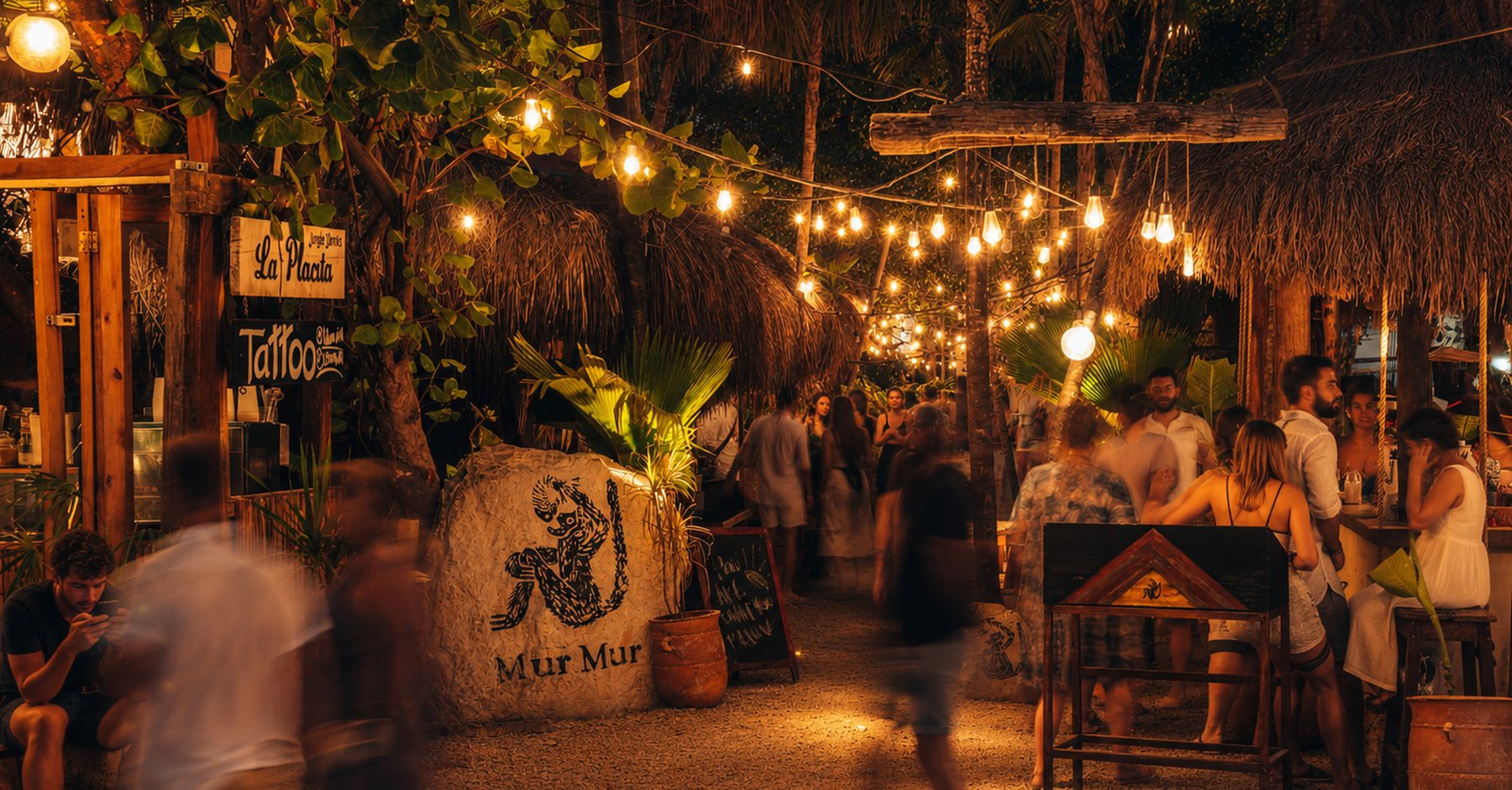
Is Tulum Safe?
Is Tulum safe? A practical 2026 guide to advisories, nightlife risk, taxis, scams, roads, beach safety, areas to stay, and safer travel habits.

Tulum Itinerary
Plan a Tulum itinerary for 3, 4, or 5 days with beaches, Tulum ruins, cenotes, beach clubs, Coba, Sian Ka'an, hotels, and transfer tips.

Where to Stay in Tulum
Where to stay in Tulum, explained honestly by beach zone, town, Aldea Zama, La Veleta, nearby resorts, taxi costs, safety, construction, and beach access.