Mexico City Travel Guide
 By Diego Hernandez - Mexican local author, Central Mexico / Mexico City - Updated 01 Jun 2026
Short on time
- Guide Best Day Trips from Mexico City - Start here
- Guide Best Tours in Mexico City - Start here
- Guide Is Mexico City Safe? - Start here
- Guide Mexico City Airport Transfer - Start here
Editorial rankings are independent and not for sale.
Plan Mexico City in 2026 with local tips on neighborhoods, hotels, food, transport, safety, airports, weather, World Cup dates, and first-trip mistakes.
Mexico City is one of the best city trips in the Americas if you plan it like a real metropolis and not like a giant theme park with tacos. Come for food, museums, neighborhoods, architecture, markets, parks, nightlife, and day trips. Leave room for traffic, altitude, rain, petty theft, demonstrations, event surges, and the fact that the city is larger than your optimistic Google Maps brain wants it to be.
For most first-time visitors, the best Mexico City trip is four nights in Roma, Condesa, Polanco, Reforma, Centro Histórico, or Coyoacán, with one major plan per day and flexible meals around it. If you try to see Frida Kahlo, Teotihuacán, the Anthropology Museum, Xochimilco, Chapultepec, Centro, Roma, Condesa, and every taco list in three days, congratulations, you have invented a commute with snacks.
This guide is opinionated because Mexico City requires opinions. The good version is rich, walkable, delicious, and layered. The bad version is a rushed itinerary, a cheap stay in the wrong area, two hours in traffic, and a phone sticking out of a back pocket on the Metro.
Start with where to stay, then build the trip around one anchor plan per day.
Quick Planning Snapshot
| Question | Short answer | Reality check |
|---|---|---|
| Best for first-timers | Roma Norte, Condesa, Polanco, Reforma, or Centro by day | The “best” area depends on night plans and ride times |
| Ideal length | 4 nights / 3 full days minimum | 5-6 nights is better if you want Teotihuacán and slow meals |
| Best first booking | Hotel area, then one food or culture tour | Do not book tours before you understand the map |
| Airport arrival | AICM is closest for most; AIFA can be much farther | Check which airport your flight actually uses |
| Safety level | Manageable in visitor areas with big-city habits | Petty theft, taxi issues, nightlife risk, and protests are real |
| Current 2026 note | World Cup dates will tighten hotels and traffic | June 11-July 5 around match days needs extra planning |
| Biggest mistake | Planning too many cross-town movements | Mexico City punishes itinerary greed |
Is Mexico City Worth Visiting in 2026?
Yes, if you like cities. Mexico City is not a beach warm-up act. It is the main event: street food, serious restaurants, Aztec and colonial history, modern art, parks, architecture, markets, music, and neighborhoods that change mood every ten blocks.
The city is especially strong for travelers who want culture without museum fatigue. You can spend the morning with the Mexica room at the Anthropology Museum, eat lunch in Polanco, walk Chapultepec, then end the night in Roma or Juárez. Or you can ignore the formal checklist and build a whole day around bakeries, bookstores, cantinas, galleries, and a late dinner. Both are valid. One just has fewer school-trip flashbacks.
The honest downside: Mexico City can be exhausting. Traffic is heavy, the altitude sits around 2,240 meters, rain can flood streets in season, and air quality can bother sensitive travelers. The city is also not equally comfortable everywhere at night. If you want an easy resort vacation, go to the coast. If you want a city that rewards curiosity, stay here and pace yourself.
Where to Stay
For a first trip, choose the neighborhood before the hotel. An ideal room in the wrong location is still a bad travel decision wearing nice linens.
| Area | Best for | Why stay there | Watch out for |
|---|---|---|---|
| Roma Norte | Restaurants, nightlife, first-time energy | Walkable, stylish, easy dinner base | Noise, weekend rates, party apartments |
| Condesa | Parks, cafes, calmer first trip | Green, friendly, good for couples and remote workers | Popular and not cheap anymore |
| Polanco | Luxury hotels, museums, business trips | High comfort, strong dining, close to Chapultepec | Pricier and less local-feeling |
| Reforma / Juárez | Central sightseeing, LGBTQ nightlife, transit | Useful midpoint between Centro and west-side areas | Some blocks feel uneven late |
| Centro Histórico | History, budget, short museum trips | Zócalo, Bellas Artes, museums by day | Choose the exact block carefully for night comfort |
| Coyoacán | Slower repeat visit, families, Frida Kahlo | Village feel, plazas, markets, calmer evenings | Farther from many central sights |
My default pick for most first-timers is Condesa or Roma Norte if they want food and walking, Polanco if they want polished hotels and easier comfort, and Reforma / Juárez if they want a practical midpoint. Centro works beautifully for a history-heavy trip, but it is not the neighborhood I recommend casually for every first-timer after dark.
Read next: Where to stay in Mexico City and best neighborhoods to stay in Mexico City.
Best Things to Do
Do less than the internet tells you. Mexico City is not short on things to do; it is short on visitors who respect distance.
| Priority | What to do | Best timing |
|---|---|---|
| 1 | Anthropology Museum and Chapultepec | Morning or early afternoon; avoid Monday closure patterns |
| 2 | Centro Histórico: Zócalo, Templo Mayor, Bellas Artes, Alameda | Daytime, with a clear lunch plan |
| 3 | Roma, Condesa, Juárez food and walking | Afternoon into dinner |
| 4 | Coyoacán and Frida Kahlo Museum | Book Frida Kahlo Museum tickets ahead; go early |
| 5 | Teotihuacán day trip | Full morning / early day, ideally not after a late night |
| 6 | Xochimilco | Best with a group or guided context, not as a random tired add-on |
| 7 | Lucha libre | Great night plan with ticket / transport clarity |
| 8 | Markets and food tours | Do early in the trip so you eat smarter later |
If you only book one paid experience, make it either a good food tour or a well-run Teotihuacán day trip. Food tours help first-timers understand where and how to eat. Teotihuacán tours solve transport and context. Bad tours, unfortunately, solve nothing except how to spend a day trapped in a van.
Read next: things to do in Mexico City and best tours in Mexico City.
How Many Days Do You Need?
Three full days is the minimum I like for a first visit. Four full days is much better. A two-night Mexico City stop can work if you are doing Centro, one museum, and one excellent food day, but it will feel like an introduction, not a visit.
For a first trip, use this rhythm:
| Length | Best plan |
|---|---|
| 2 nights | One central area, one museum, one strong dinner, no Teotihuacán unless ruins are the point |
| 3 nights | Centro, Chapultepec / Anthropology, Roma / Condesa / Juárez, one food route |
| 4 nights | Add Coyoacán or Teotihuacán |
| 5-6 nights | Add Xochimilco, extra museums, markets, and a slower neighborhood day |
Do not put Teotihuacán the morning after lucha libre or a big dinner. Technically possible. Spiritually questionable.
Read next: Mexico City itinerary and 3 days in Mexico City.
Airport Arrivals and Getting Around
Mexico City has two airports that matter for most visitors: AICM and Felipe Ángeles International Airport (AIFA). AICM is usually much more convenient for central neighborhoods. AIFA can work if the fare is excellent or your itinerary fits it, but transfer time can become the real cost. Before booking, check the airport code, landing time, and how you will get to the hotel. Future-you at 11:40 p.m. will have opinions.
At AICM, use authorized airport taxis, hotel-arranged transfers, or app rides where current pickup rules allow. The airport’s own site lists authorized taxi providers. Ride-app pickup rules have shifted over the years and can be tense around airports, so do not build your first arrival around guessing.
Inside the city, I use a mix of walking, Metro, Metrobus, and app rides depending on hour, route, and luggage. The Metro is cheap and useful, especially when traffic is absurd. It is also crowded, and pickpocketing is a real concern. The Metrobus is often practical on Reforma / Insurgentes-style routes. App rides are easiest late at night, after dinner, or when you are tired.
Basic transport rules:
- Do not hail random street taxis.
- Keep your phone tight near station doors, markets, and crowds.
- Avoid rush-hour Metro with luggage.
- Use app rides or a planned taxi after nightlife.
- Add time for protests, rain, road closures, and match days.
Read next: Mexico City airport transfer, Mexico City airport to Roma Norte, and getting around Mexico City.
Safety: Useful, Not Dramatic
Mexico City is safe enough for most visitors who stay in common areas, plan transport, and use normal big-city awareness. That sentence has two halves. Keep both.
As of the May 29, 2026 U.S. State Department advisory, Mexico City is listed under “Exercise increased caution” and notes both violent and non-violent crime, with extra caution outside popular tourist areas at night. Canada advises a high degree of caution for Mexico and specifically flags pickpocketing on the Mexico City Metro, street-taxi risk, drink-spiking, demonstrations, air quality, and altitude.
That does not mean you should be afraid of the city. It means you should stop doing the things travelers do when they are excited and under-caffeinated: walking home alone late from an unfamiliar bar, waving around a phone at a curb, accepting drinks from new best friends, booking a cheap apartment with no recent reviews, or deciding that an empty street is “probably fine” because the restaurant was charming.
Centro, Roma, Condesa, Polanco, Reforma, Juárez, Coyoacán, and Chapultepec can all work for visitors. The safety difference is often block-by-block and hour-by-hour. In Centro, I am very comfortable on major daytime routes and more selective late. In Roma and Condesa, nightlife is normal, but theft and drink risk do not take the night off because the bar has good lighting.
Read the full safety page before final planning: Is Mexico City safe?.
Current 2026 Context: World Cup, Teotihuacán, and Event Pressure
Mexico City is a 2026 World Cup host city. FIFA’s hospitality schedule lists five matches at Mexico City Stadium, including the opening match on June 11, 2026, plus matches on June 17, June 24, June 30, and July 5. Around those dates, expect higher hotel rates, tighter restaurant reservations, heavier traffic, more police presence, and a different city rhythm. If you are not coming for football, you need to know you are still traveling inside football.
Teotihuacán also deserves current context. In April 2026, the site reopened after a serious shooting incident involving tourists; reporting at the time noted additional security protocols and a temporary closure of Pyramid of the Moon access. This is not a reason to erase Teotihuacán from every itinerary, but it is a reason to verify current access, security, tour reviews, and official updates before you go. Good editorial work means not pretending recent events did not happen just because the ruins photograph well.
For major events, demonstrations, or unusual security news, recheck local updates close to travel. Mexico City changes quickly. Sometimes beautifully, sometimes inconveniently.
Weather, Altitude, Air, and Water
The best months for many visitors are roughly November through April, when rain is lower and walking is easier. March to May can be warm and dry, sometimes with air-quality issues. Rainy season usually brings afternoon or evening storms, often from May / June into October. Rain does not ruin Mexico City, but it absolutely changes traffic, shoes, and your belief in crossing the city for dinner.
Altitude matters. Mexico City sits around 2,240 meters above sea level. Most travelers adjust fine, but the first day should not be a heroic stair-and-cocktail marathon. Drink water, eat normally, and save the most ambitious walking for day two.
Air quality is part of the trip, especially for travelers with asthma, heart, lung, or respiratory issues. Canada specifically notes that Mexico City pollution can peak between December and March. If you are sensitive, check current air quality and keep a flexible indoor plan.
Water deserves one practical note: Mexico City has had well-publicized water pressure and supply stress in recent years. Most decent hotels manage this better than many apartment rentals. For longer stays, read recent lodging reviews for water pressure, hot water, elevator reliability, and maintenance. Glamorous? No. More useful than another rooftop list? Yes.
Food and Restaurants
Mexico City is one of the world’s great food cities, but the best approach is not to chase every viral taco. Build meals by area.
In Centro, plan around cafes, cantinas, historic restaurants, and market stops. In Roma, Condesa, and Juárez, book one or two important dinners and leave space for bakeries, casual tacos, and late snacks. In Polanco, go for high-end dining, museums, and a polished hotel base. In Coyoacán, keep it slower: market, plaza, coffee, churros, maybe Casa Azul if you booked ahead.
The review pattern I trust most: recent comments about service, reservation handling, food consistency, and whether the place still feels like itself. Mexico City restaurants can get famous fast. Fame is not seasoning.
Read next: best restaurants in Mexico City and best tacos in Mexico City.
Budget and Value
Mexico City can be good value compared with New York, London, or Paris, but it is no longer the secret cheap city some old blog posts describe. Popular neighborhoods, boutique hotels, tasting menus, cocktail bars, and private tours have moved up.
Budget travelers can still do well with Metro, markets, bakeries, museums, and careful hotel selection. Mid-range travelers should spend extra on location before amenities. Luxury travelers have excellent hotels and restaurants, but should still plan movement carefully; expensive cars also sit in traffic, just with better upholstery.
Costs to add before judging a “deal”:
- Airport transfer from the correct airport.
- Daily rides between neighborhoods.
- Entry tickets and advance reservations.
- Tips, cover charges, and late-night rides.
- Extra nights during World Cup, festivals, or holiday periods.
- Time lost if the area is inconvenient.
Common First-Timer Mistakes
The first mistake is staying somewhere because it is cheap on the map. Mexico City is not one blob. A bad location can cost more in ride time than it saves in room rate.
The second mistake is overplanning. Pick one anchor per day, then add nearby meals and walks. Centro plus Roma plus Coyoacán plus Polanco in one day is not ambition. It is cartography abuse.
The third mistake is confusing “safe area” with “no precautions needed.” Roma, Condesa, Polanco, and Centro still require normal city habits. Watch your phone. Use planned transport at night. Do not leave drinks unattended. Keep documents secure.
The fourth mistake is ignoring Monday closures and ticketed attractions. Many museums close Mondays, popular sites need advance tickets, and restaurant reservations matter for the places everyone keeps posting.
Who Should Skip Mexico City?
Skip it if you want beach downtime, resort simplicity, or a trip where every movement is easy. Mexico City asks more from you than Cancun or an all-inclusive resort. It gives more back, but it asks.
Also skip or postpone if you are very sensitive to altitude or air pollution and current conditions look poor, if major event pricing makes the trip bad value, or if your itinerary depends on tight airport transfers across town.
For everyone else: come, but come with a map, patience, and fewer plans than your spreadsheet wants.
Helpful Next Reads
- Where to stay in Mexico City
- Mexico City itinerary
- Best tours in Mexico City
- Is Mexico City safe?
- Mexico City airport transfer
- Teotihuacán day trip from Mexico City
FAQ
How many days do you need in Mexico City?
Plan at least three full days for a first visit. Four or five nights are better if you want Teotihuacán, Coyoacán, slow meals, and enough margin for traffic or rain.
What is the best area to stay in Mexico City for first-timers?
Roma Norte, Condesa, Polanco, Reforma / Juárez, and carefully chosen parts of Centro Histórico are the usual first-time picks. Condesa and Roma are the easiest for food and walking; Polanco is best for polished hotels; Centro is best for history by day.
Is Mexico City safe for tourists?
Usually, yes in common visitor areas with normal big-city habits. The main visitor risks are petty theft, taxi issues, nightlife / drink safety, demonstrations, and poor late-night decisions. Read current advisories before travel.
Is Mexico City expensive?
It can still be good value, but popular neighborhoods and restaurants are not cheap the way older guides suggest. Budget by location, transport, meals, tickets, and event dates, not just hotel price.
Do I need a tour in Mexico City?
Not for everything. A good food tour, Teotihuacán tour, museum guide, or private highlights tour can improve a first trip. Skip tours that promise to cover the whole city in one day or hide shopping stops in the itinerary.
Explore Mexico City Travel Guide
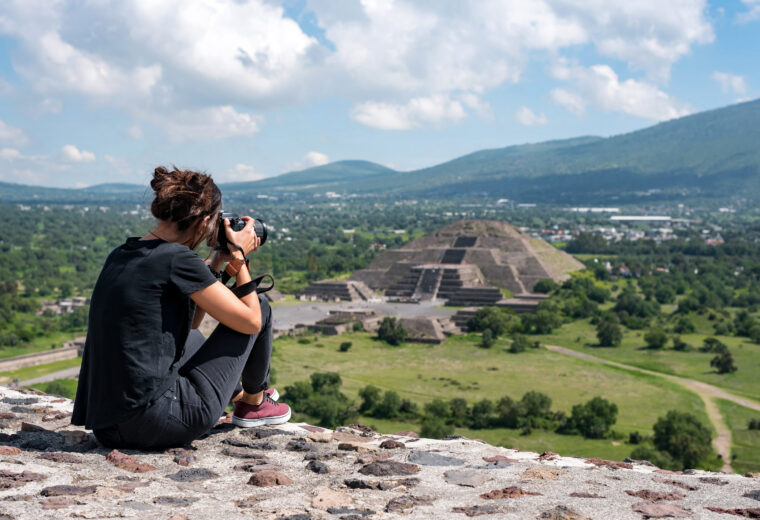
Best Day Trips from Mexico City
Compare the best day trips from Mexico City, including Teotihuacán, Xochimilco, Coyoacán, Puebla, Cholula, Taxco, Tepoztlan, and Tolantongo.
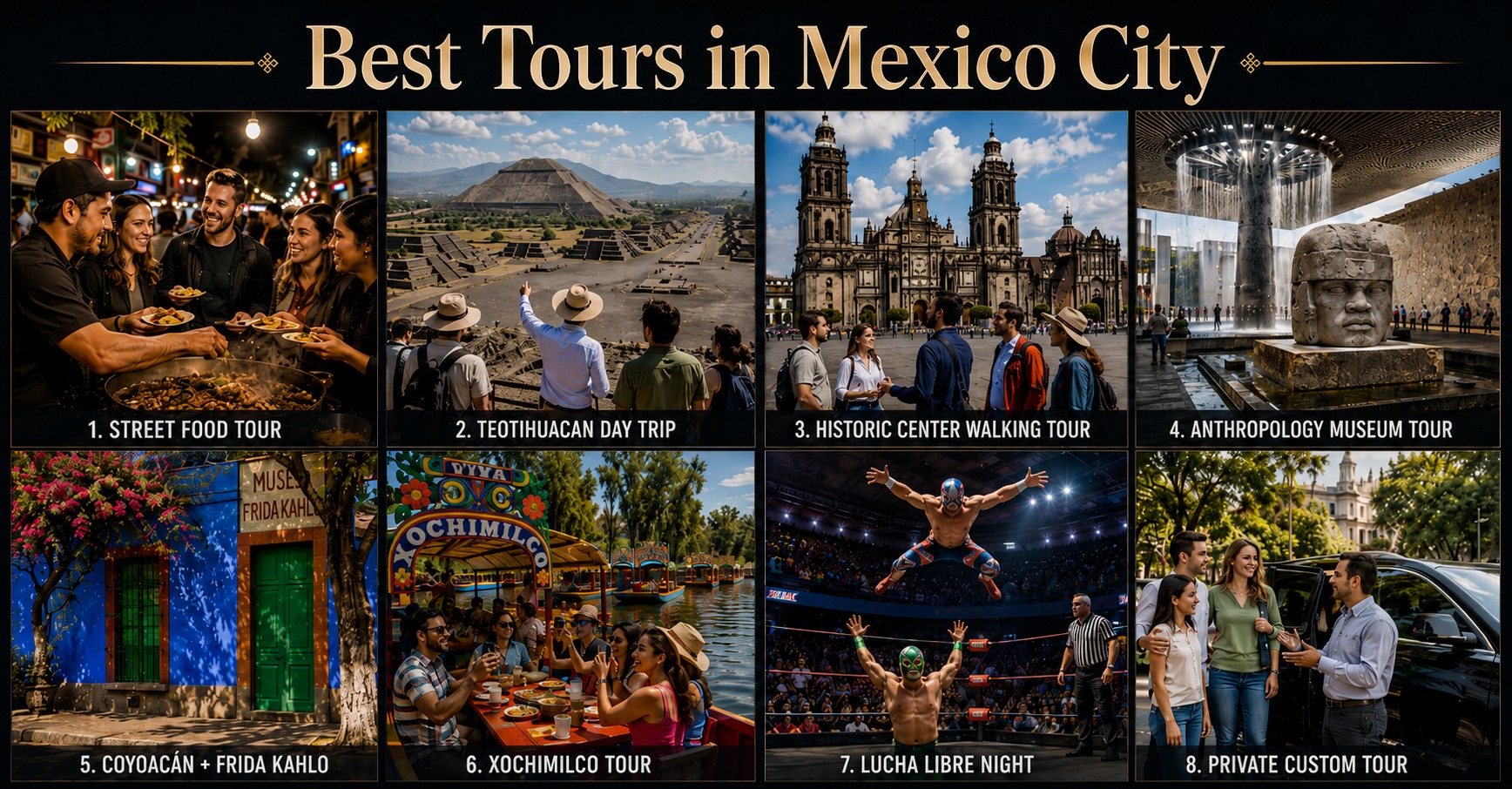
Best Tours in Mexico City
Compare the best tours in Mexico City, including food tours, Teotihuacán, museums, Coyoacán, Xochimilco, private tours, timing, and what to book first.
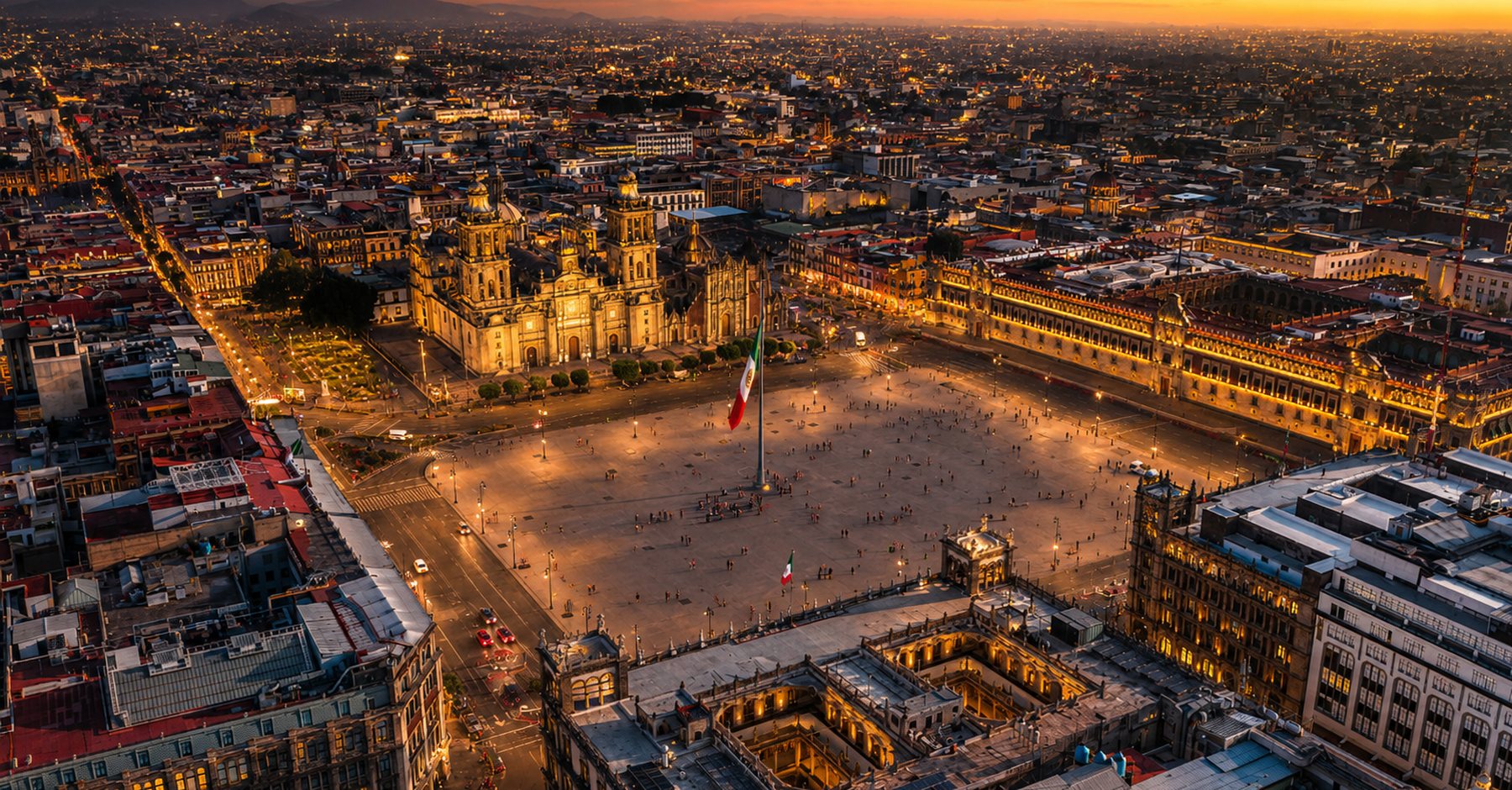
Is Mexico City Safe?
Is Mexico City safe for tourists? Read a calm 2026 guide to safer neighborhoods, areas to avoid, Metro and Uber safety, nightlife, scams, families, solo travelers, and current advisory context.
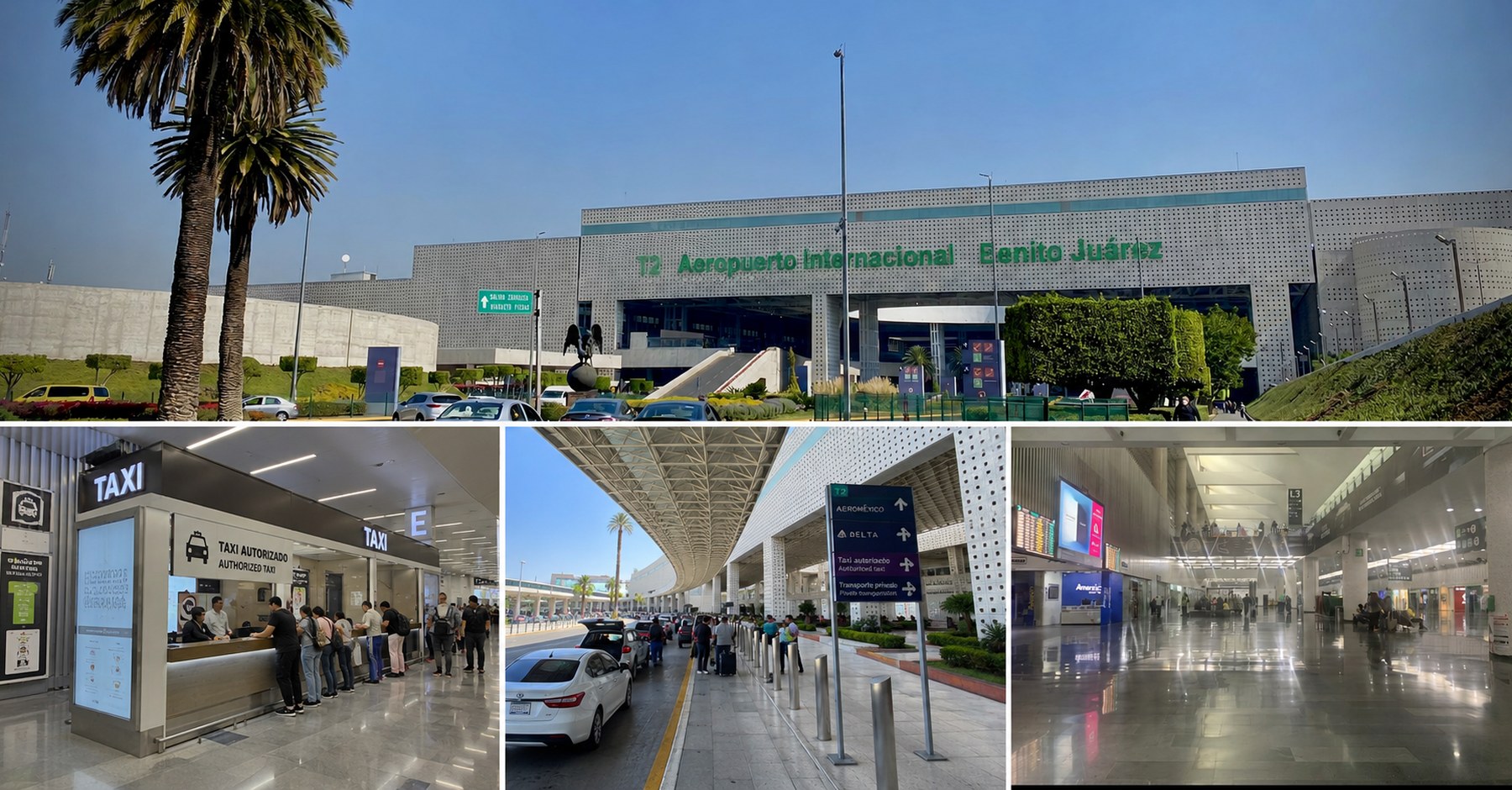
Mexico City Airport Transfer
Compare Mexico City airport transfer options, including private transfers, authorized taxis, rideshare, Metrobus, timing, safety tips, and what to book before landing.
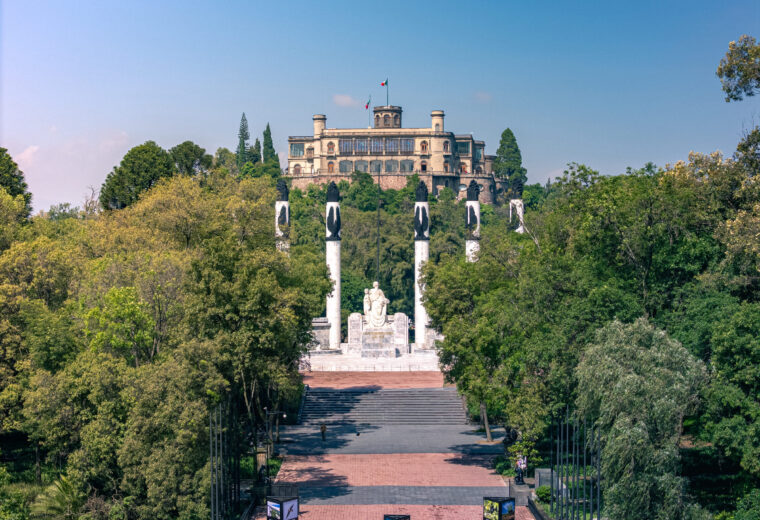
Mexico City Itinerary
Plan a realistic Mexico City itinerary with 3-day and 4-day routes, where to stay, what to book first, museum timing, Teotihuacán options, safety notes, and smart swaps.
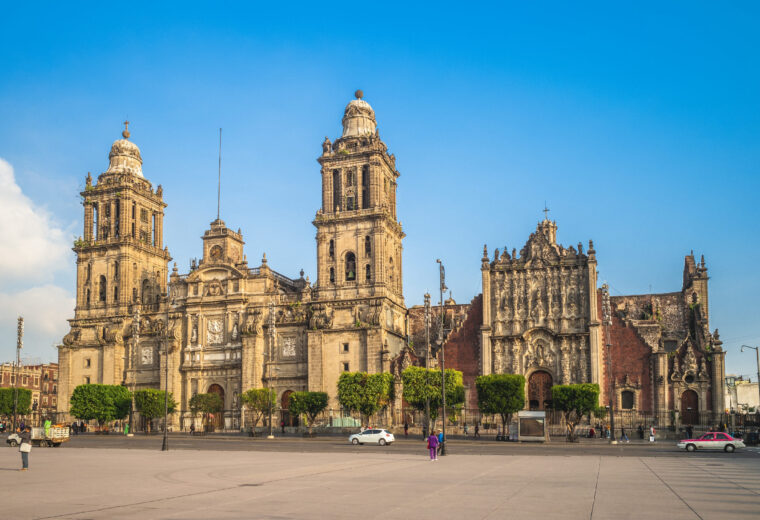
Where to Stay in Mexico City
Plan where to stay in Mexico City with a local guide to Roma, Condesa, Reforma, Polanco, Centro, Coyoacán, safety, hotels, and first-timer mistakes.