Is Cozumel Safe?
Is Cozumel safe for tourists? Read current advisory context, cruise and ferry safety, scooter risks, taxis, petty theft, water safety, nightlife, scams, and practical habits.
 Claire Thompson
Canadian abroad, Caribbean & first-time visitor logistics
Last reviewed: 11 Aug 2026
Claire Thompson
Canadian abroad, Caribbean & first-time visitor logistics
Last reviewed: 11 Aug 2026
Yes, Cozumel is generally safe for most tourists, cruise passengers, divers, and families who stay in normal visitor areas, use official taxis or well-reviewed operators, avoid scooter mistakes, respect ocean conditions, and keep late nights simple. That is the reassuring answer. The useful answer has a little more texture.
Cozumel is an island with a heavy tourism economy, visible cruise and ferry infrastructure, and a slower pace than Cancun or Playa del Carmen. That helps. It does not turn the island into a bubble where nothing can go wrong. The most common visitor problems are practical: scooter and golf-cart crashes, petty theft at beaches or busy streets, taxi fare confusion, overcharging, alcohol-related decisions, rough water on the east side, and tours that cut corners.
I live on the Caribbean side of Mexico, and Cozumel is one of the places I recommend to nervous first-timers because it is easier to understand than the mainland. But “safe” should never mean “switch off your brain.” Think of Cozumel as relaxed, not consequence-free.
Quick Answer
| Question | Practical answer |
|---|---|
| Is Cozumel safe for tourists? | Usually yes in common visitor areas, with normal precautions and current advisory checks. |
| Current U.S. advisory context | Quintana Roo is listed under Exercise Increased Caution due to terrorism and crime. |
| Main visitor risks | Scooter / golf-cart accidents, petty theft, taxi disputes, beach / ocean hazards, overcharging, drink safety, and rushed tours. |
| Safest-feeling areas | Cruise / ferry zones by day, San Miguel’s main streets, west-coast resorts / beach clubs, and established tourist routes. |
| Areas requiring more caution | East-side beaches, isolated roads after dark, unfamiliar neighborhoods at night, and any rough-water area. |
| Best transport habit | Use official taxis, hotel-called taxis, trusted drivers, or well-reviewed operators; confirm price before leaving. |
| Emergency number | 911 in Mexico. Quintana Roo also has Guest Assist and tourist assistance resources. |
Current Advisory Context
As of our August 11, 2026 review, the U.S. State Department Mexico Travel Advisory lists Quintana Roo at Level 2: Exercise Increased Caution due to terrorism and crime. The advisory mentions that violent incidents can affect tourist and non-tourist areas in the state and tells travelers to stay in well-lit pedestrian streets and tourist zones after dark. Cozumel is part of Quintana Roo, so this state-level context applies.
That does not mean Cozumel is under a do-not-travel warning. It means you should use the same kind of practical awareness you would use in other busy resort destinations: know your route, use reliable transport, watch valuables, avoid drug activity, and pay attention after dark.
There was a February 2026 U.S. Embassy security-alert period tied to wider security operations in Mexico. The Embassy later issued a final security update confirming that the related restrictions on U.S. government staff had been lifted and standard precautions should resume. This is a good example of why you should check the latest official page rather than relying on a screenshot or forum thread.
Canada’s Mexico travel guidance is broader and more cautious. It notes that Mexican authorities work to protect major tourist destinations, but violent crime can still occur in popular tourist areas; it also flags petty crime, taxis, drink spiking, road safety, adventure travel, and water hazards. Those categories map more closely to the real visitor risks in Cozumel than dramatic crime headlines do.
What Safety Looks Like In Cozumel
Cozumel feels manageable because the visitor geography is simple. Most travelers are moving between the cruise piers, ferry terminal, San Miguel, west-coast resorts and beach clubs, south-coast snorkeling / diving areas, and organized excursions. That is a fairly controlled circuit.
The island gets riskier when people add bad decisions:
- Renting scooters without experience.
- Driving after drinking.
- Leaving phones, wallets, or bags unattended at beaches.
- Swimming on the east side when surf is rough.
- Booking vague tours from pushy street sellers.
- Walking dark, unfamiliar roads at night.
- Getting into taxis without confirming the fare.
- Trusting alcohol, drugs, or strangers more than their own instincts.
Most safe Cozumel trips are not complicated. They are built from boring habits that work.
Crime And Petty Theft
For visitors, Cozumel’s common crime concerns are usually petty theft, opportunistic theft, overcharging, and occasional scams rather than random violent crime. Keep your phone off restaurant table edges, do not leave bags on beach chairs while swimming, and avoid flashing large amounts of cash around the cruise / ferry area.
Petty theft is most likely:
| Situation | What to do |
|---|---|
| Beach clubs or public beach stops | Bring only what you need and keep valuables with a non-swimmer |
| San Miguel shopping streets | Keep wallet / phone secure in crowds |
| Cruise pier / ferry zones | Watch for distraction tactics and aggressive pitches |
| Rental cars, scooters, golf carts | Do not leave valuables inside, even hidden |
| Nightlife | Keep your phone and drink under control |
If theft happens, ask your hotel, cruise staff, or a tourist assistance desk about filing a report at the appropriate local office. For U.S. travelers, the State Department notes tourist assistance options in Quintana Roo, including Guest Assist and CAPTA / CATTAC-style resources. Canada also advises filing formal reports in person before leaving Mexico if you are a crime victim.
Scooters, Golf Carts, And Road Safety
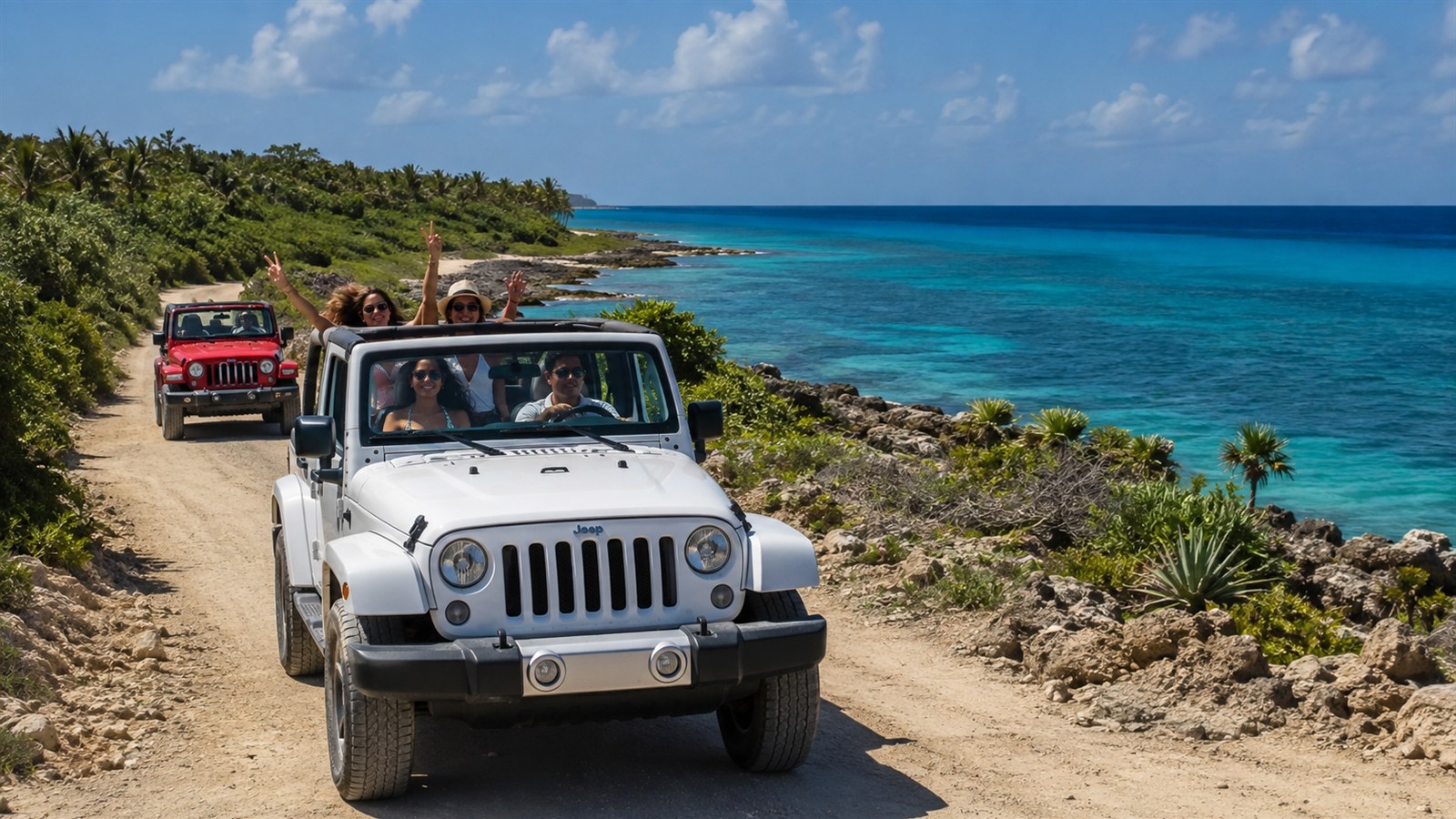
This is the safety issue I would underline twice. Cozumel scooter accidents are a real traveler pattern, not an overprotective-parent rumor. People arrive from cruises or resorts, rent a scooter because it looks romantic and cheap, then discover unfamiliar roads, sun, wind, helmets, traffic habits, potholes, speed bumps, and alcohol all exist at the same time.
If you are not already comfortable on a scooter, skip it. A rental car, taxi route, private driver, or organized tour is usually safer. Golf carts can feel easier, but they still require attention, sobriety, and an understanding of where they are allowed and practical.
Before renting anything:
- Photograph the vehicle from all sides.
- Confirm insurance and damage rules.
- Ask whether there is a deposit or hold.
- Check brakes, lights, tires, mirrors, and helmets.
- Do not hand over your passport as collateral if you can avoid it.
- Do not drink and drive.
- Avoid remote roads after dark.
Canada’s travel guidance warns that road safety across Mexico is poor and that recreational-vehicle damage disputes can become expensive. In Cozumel, that is exactly why “cheap rental” should not be the whole decision.
Taxis And Getting Around
Cozumel does not work like a North American city with predictable rideshare everywhere. Taxis, hotel-called drivers, ferry-zone taxi stands, and organized pickups are the normal tools. The main safety issue is less about danger and more about price confusion, weak communication, and late-night inconvenience.
Use these habits:
- Confirm the fare before getting in.
- Carry small bills.
- Use official taxi stands when possible.
- Ask your hotel or restaurant to call a taxi at night.
- Keep the hotel address saved in Spanish.
- Do not share a taxi with strangers unless it is an arranged group transfer.
- If a fare or situation feels wrong, step back and choose another option.
If you are coming from Playa del Carmen, the ferry itself is normally straightforward, but the areas around ferry terminals can feel chaotic with sellers, taxis, and day-trip pressure. Give yourself time. Rushed people are easier to overcharge.
Cruise Passenger Safety
Cozumel is one of the easier Mexico ports for cruise passengers, but the clock changes everything. Your ship schedule is the hard boundary. Build the day backward from all-aboard time, not forward from what you hope to do.
Safer cruise-day choices:
- A beach club or Chankanaab-style day.
- Short reef snorkel with clear return timing.
- San Miguel food / shopping walk close to the port.
- Private driver loop with conservative timing.
- Cruise-line excursion if you want accountability over independence.
Riskier cruise-day choices:
- Long multi-stop island tours.
- Independent tours with vague pickup locations.
- Last-minute scooter rentals.
- Drinking-heavy beach stops followed by driving.
- Activities that require multiple transfers.
Independent tours can be excellent, but only if the operator understands cruise timing and communicates clearly. If the pickup directions sound vague before you pay, they will not become clearer when you are hot and late.
Water, Beach, And Reef Safety
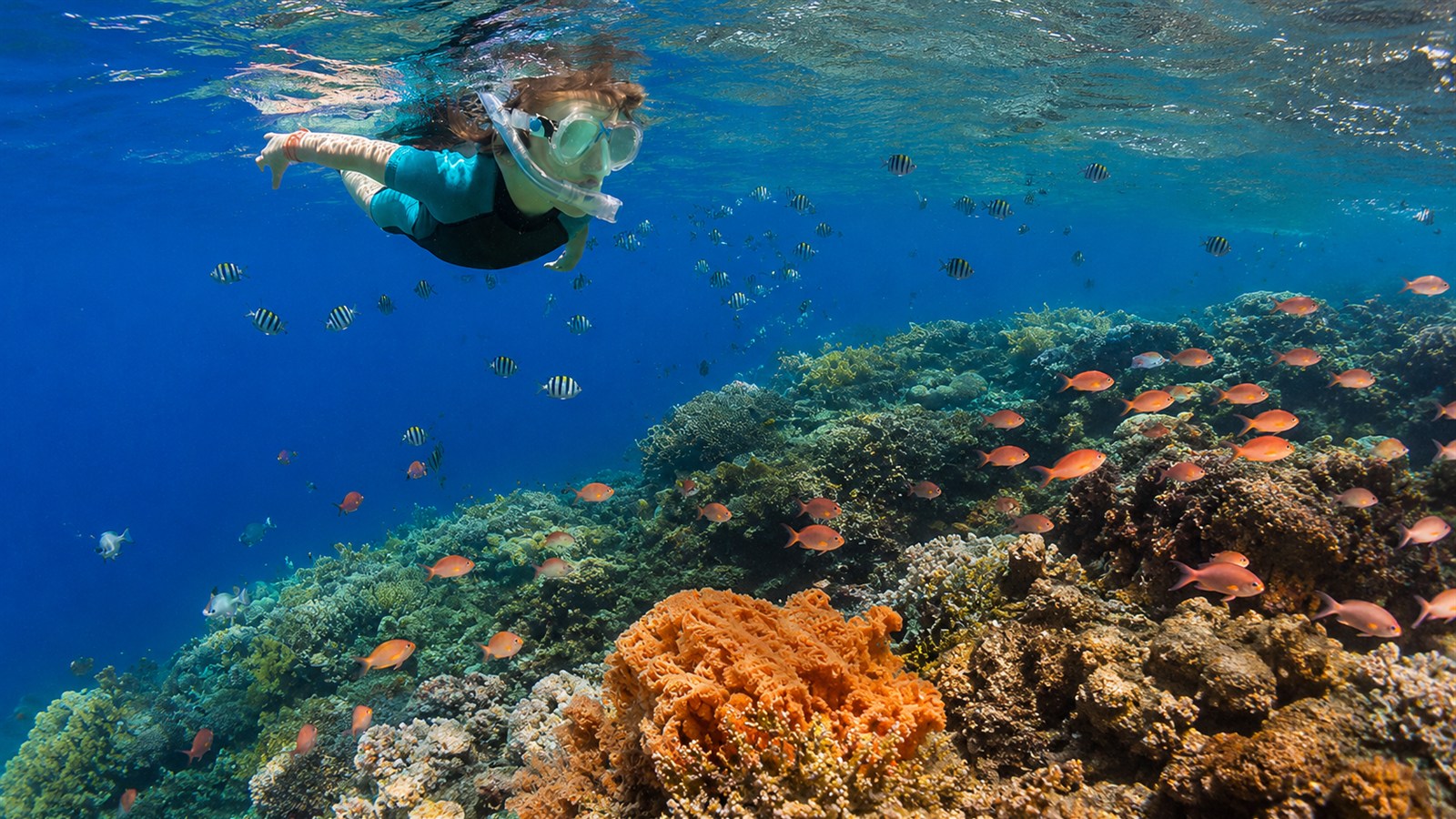
Cozumel’s best water is often on the west and southwest side, where many snorkeling, diving, resort, and beach-club activities happen. The east side is more exposed and beautiful in a wilder way, but it is often not safe for casual swimming. Strong surf, current, rocks, and limited services can turn a pretty stop into a bad decision.
Basic water rules:
- Respect beach flags and local advice.
- Do not swim alone.
- Do not swim after drinking.
- Use flotation if you are nervous or tired.
- Avoid east-side swimming unless conditions and local guidance are clearly safe.
- Choose operators who give real safety briefings.
- Do not touch coral, starfish, turtles, rays, or any marine life.
Canada’s travel advice warns that coastal waters in Mexico can be dangerous, rip currents are common, and beaches are not always supervised. That is especially useful in Cozumel because some of the prettiest beaches are not the safest swimming beaches.
For diving, be honest about your certification and comfort. Cozumel is famous for drift diving. If you have not dived in years, book a refresher or easier plan. The reef does not need anyone’s overconfidence.
Nightlife, Alcohol, And Drink Safety
Cozumel nightlife is generally calmer than Cancun, but late-night problems still happen in the same predictable ways: too much alcohol, separated groups, unattended drinks, unclear rides home, and people trusting strangers because vacation makes everyone feel friendlier.
Use these habits:
- Watch your drink.
- Stay with your group.
- Do not accept drinks, cigarettes, gum, or food from strangers.
- Keep your phone secure.
- Decide the ride back before drinking.
- Avoid isolated walks after midnight.
- Do not buy drugs.
Canada specifically warns about spiked food and drinks in Mexico, including in bars, restaurants, nightclubs, public transportation, and taxis hailed on the street. That does not mean you should be afraid of every margarita. It means you should keep normal boundaries, even when the island feels easy.
Scams, Overcharging, And Aggressive Sales
Cozumel gets many short-stay visitors, which means some sellers are very good at urgency. Cruise passengers are especially targeted because everyone knows they have limited time.
Common friction points:
- Taxi fares not confirmed upfront.
- Beach-club packages that exclude things you assumed were included.
- Tour descriptions with vague stop lists.
- Tequila or souvenir pricing that feels theatrical.
- “Special today only” pressure.
- Visitax or airport-related confusion on mainland travel days.
- Rental damage disputes.
The fix is simple: slow down, ask the price, ask what is included, and be willing to walk away. “No, gracias” works better when said early.
Weather, Hurricanes, And Power / Service Disruptions
Cozumel is in the Caribbean hurricane zone. The official Atlantic hurricane season runs from June through November, with risk varying by year and week. Most trips are not affected by major storms, but tropical weather can disrupt ferries, flights, cruise calls, diving, snorkeling, power, and road conditions.
Check the National Hurricane Center during storm season and ask your hotel or operator about weather policies. Do not argue with a captain who cancels for wind. A canceled boat is annoying. A reckless boat is worse.
Power outages and service interruptions can also happen. Keep your phone charged, save confirmations offline, and keep a small cash backup. This is not dramatic planning. It is just easier than standing at a ferry terminal with no signal and a dying battery.
Solo Travelers, Women, And Families
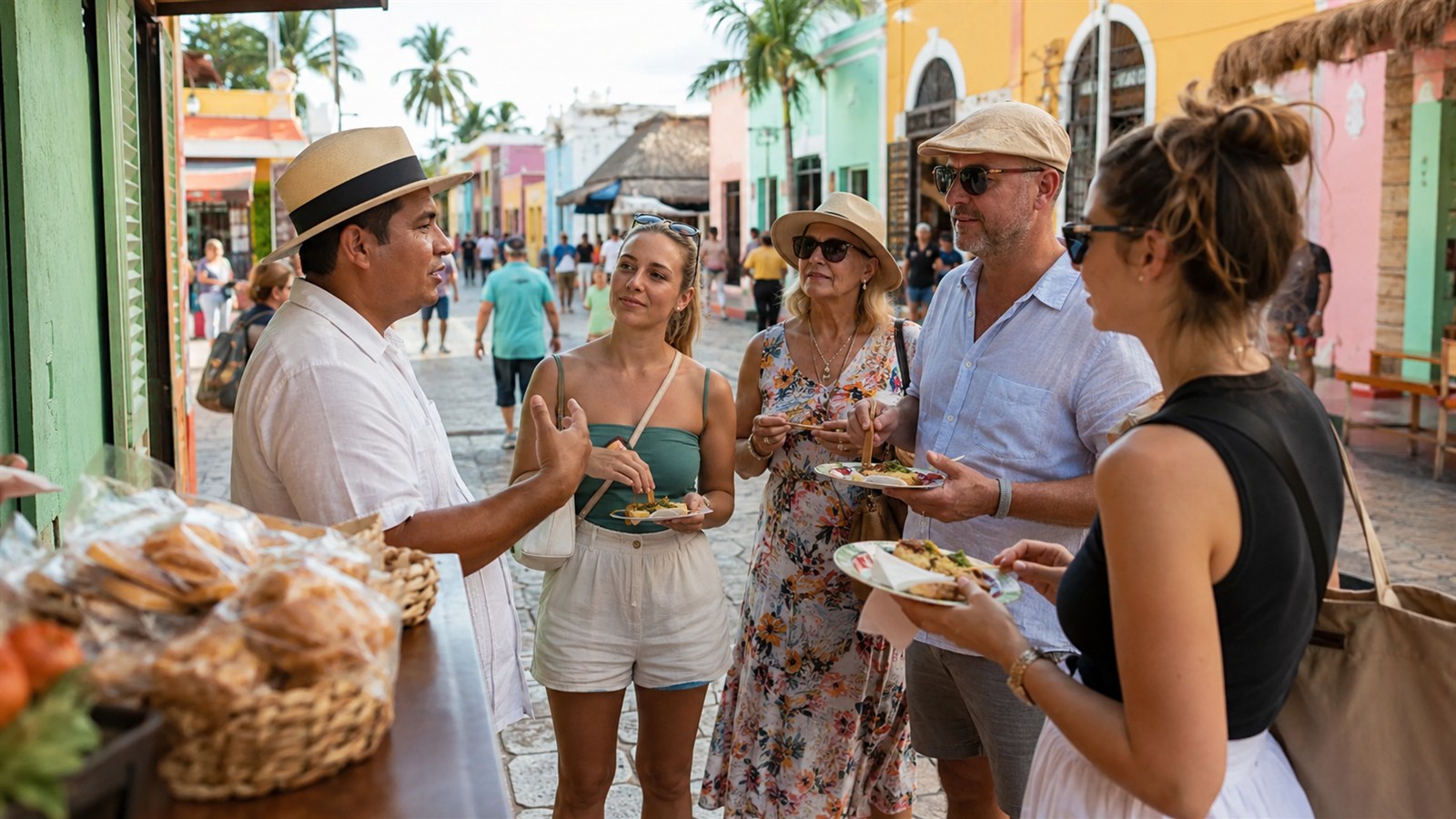
Solo travelers usually do well in Cozumel because San Miguel is easy to understand and many activities are organized. Stay near the main visitor circuit, avoid isolated night walks, and share your plan if you are going to the east side or taking a boat tour.
Solo women can have a good Cozumel trip with normal Caribbean / Mexico precautions: choose a well-reviewed base, watch drinks, use trusted taxis at night, avoid getting stranded far from town, and trust discomfort early. The island can feel very friendly, which is lovely. Friendly still deserves boundaries.
Families should think about water entry, shade, bathrooms, heat, and transport. A beach club or Chankanaab-style day may be safer and easier than a rugged east-side adventure with tired kids. If renting a car, bring or confirm appropriate child-safety arrangements; do not assume every taxi will have what you would expect at home.
Health, Medical Help, And Emergencies
For emergencies in Mexico, call 911. For tourist assistance in Quintana Roo, the State Department points travelers toward the state’s Guest Assist program, which can help with emergency numbers, legal and tourist information, complaints, and lost-passport or service-provider issues.
Before you go, save:
- Your hotel or cruise emergency contact.
- Ferry or airline contacts.
- Your country’s consular contact.
- Guest Assist or tourist assistance information.
- A copy of your passport photo page.
- Medication names and allergies.
Cozumel has clinics and medical services for common travel issues, but serious medical situations may require transfer or coordination with mainland services. If you are diving, snorkeling, or doing adventure activities, know what your health coverage does and does not cover before you get in the water.
What I Would Avoid
I would avoid:
- Renting a scooter if you are inexperienced.
- Driving after drinking.
- Swimming on the east side in rough water.
- Leaving valuables unattended at beaches or in rentals.
- Booking tours that hide pickup, group size, or safety details.
- Walking dark, unfamiliar roads late at night.
- Buying drugs.
- Getting into a taxi without confirming the fare.
- Treating a February 2026 alert screenshot as current without checking the final update and official advisory.
None of this means Cozumel is scary. It means Cozumel is real.
What To Do If Something Goes Wrong
If you feel unsafe, go into a staffed hotel, restaurant, shop, cruise / ferry office, or official-looking business and ask for help. If there is an emergency, call 911. If you lose a passport or are the victim of a crime, contact your consulate and ask hotel / cruise staff about the nearest appropriate reporting office.
If a taxi or rental dispute escalates, stay calm and move the conversation to a staffed location if possible. If a tour operator misses pickup or changes terms, document messages, receipts, and names. If the issue involves a formal complaint, Guest Assist or a tourist assistance office may be useful.
The goal is not to “win” an argument on the street. The goal is to get out safely, keep records, and use official channels.
Reality Check
Cozumel is safer than many anxious travelers imagine and less risk-free than resort marketing suggests. Both things are true.
Most visitors have ordinary, happy trips: ferry, reef, beach club, tacos, sunset, maybe a slightly overpriced taxi. The trips that go wrong usually involve predictable weak points: scooters, alcohol, valuables, rough water, unclear tours, or leaving no margin for the ferry or ship.
Good safety planning should make you calmer, not more afraid. Cozumel is a good island for that: easy enough to enjoy, real enough to respect.
Helpful Next Reads
- Cozumel travel guide
- Cozumel itinerary
- Things to do in Cozumel
- Best tours in Cozumel
- Where to stay in Cozumel
FAQ
Is Cozumel safe for tourists in 2026?
Yes, Cozumel is generally safe for tourists who use normal precautions, stay in visitor areas, use reliable transport, avoid scooter mistakes, and respect ocean conditions. Quintana Roo is under an Exercise Increased Caution advisory, so check current official guidance before travel.
Is Cozumel safe for cruise passengers?
Yes, Cozumel is one of the easier Mexico cruise ports, but cruise passengers need to protect their return time. Choose activities with clear pickup / return details and avoid last-minute scooter rentals or long routes that cut the ship schedule close.
Is Cozumel safe at night?
Main San Miguel and resort areas can feel comfortable at night, but long unfamiliar walks, isolated roads, and heavy drinking increase risk. Use trusted taxis for late returns and watch drinks.
Is it safe to rent a scooter in Cozumel?
Only if you are already comfortable riding scooters and understand the rental, insurance, helmet, and road conditions. Inexperienced visitors should choose taxis, a car, private driver, or organized tour instead.
Are Cozumel beaches safe for swimming?
Some are, especially calmer west-side areas when conditions are good. The east side can have strong surf and is often not safe for casual swimming. Always check local advice, flags, and conditions.
What should I avoid in Cozumel?
Avoid inexperienced scooter rentals, drunk driving, unattended valuables, rough-water swimming, drugs, vague tours, street taxis without a confirmed fare, and isolated late-night walks.
Sources and verification
Safety guidance changes. Check these official sources again before booking and shortly before departure.
U.S. Department of State: Mexico Travel Advisory
Check the current state-level advisory and regional guidance before travel.
Government of Canada: Mexico travel advice
Independent government travel advice covering safety, entry, and regional conditions.
UK FCDO: Mexico travel advice
Review current regional safety, transport, and local-law guidance.