Is Mexico City Safe?
Is Mexico City safe for tourists? Read a calm 2026 guide to safer neighborhoods, areas to avoid, Metro and Uber safety, nightlife, scams, families, solo travelers, and current advisory context.
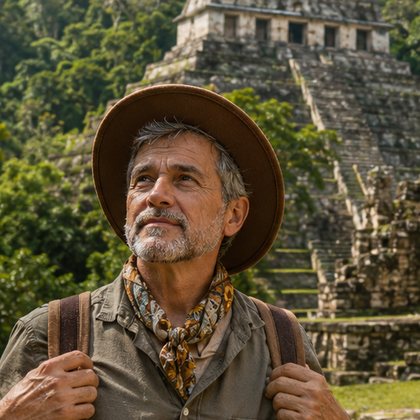
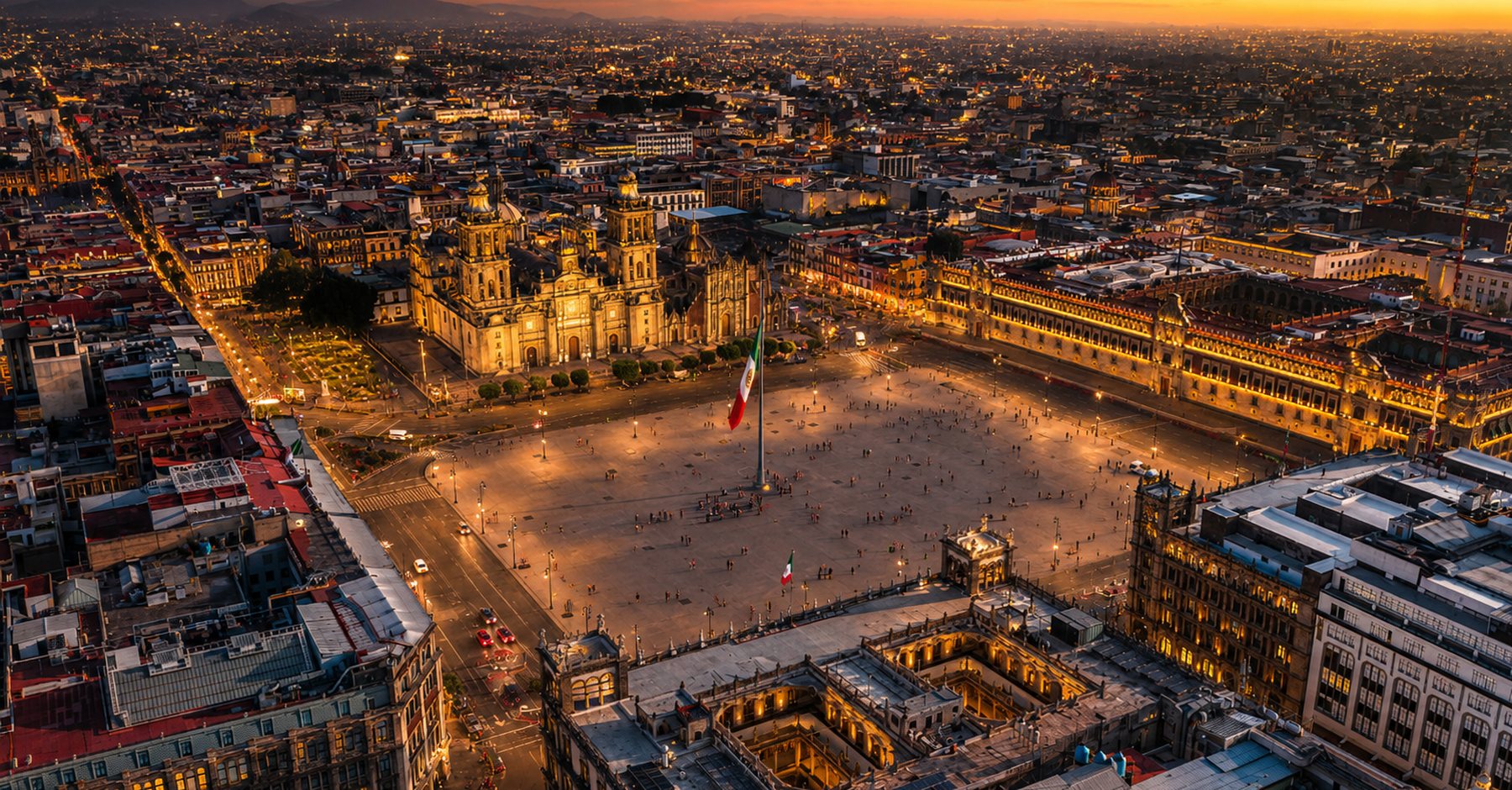
Mexico City is safe enough for most tourists who choose the right neighborhood, use normal big-city awareness, and do not confuse “busy and beautiful” with “nothing can happen.” That is the honest answer. Not scary. Not sugary. Useful.
I grew up in Roma Norte and I still tell visitors the same thing: CDMX rewards smart planning. Stay in a sensible area, group your days by neighborhood, use known transport at night, watch your phone in crowds, and do not chase the cheapest room onto a block you did not research.
The city is not a war zone. It is also not a theme park. It is a huge capital with excellent museums, serious food, awful traffic, pickpockets, nightlife risks, protests, earthquakes, water issues, and neighborhoods that change personality in three blocks. Welcome. It is magnificent. Bring judgment.
Quick Answer
| Question | Practical answer |
|---|---|
| Is Mexico City safe for tourists? | Usually, yes in common visitor areas, with normal big-city precautions. |
| Safest-feeling areas for first-timers | Roma Norte, Condesa, Juárez / Reforma, Polanco, Coyoacán, and carefully chosen Centro / Alameda hotels |
| Main tourist risks | Pickpocketing, phone theft, bad late-night transport, drink safety, scams, traffic, and choosing the wrong block |
| Areas to research carefully | Tepito, La Merced, parts of Doctores, isolated airport-area hotels, far suburbs, and quiet Centro blocks at night |
| Best transport habit | Use authorized airport taxis, app rides where practical, official taxis from stands, Metro / Metrobús with crowd awareness |
| Night rule | Short walks in busy areas are different from long unfamiliar walks after drinking. Use a ride. |
| Emergency number | 911 in Mexico; Mexico City also lists LOCATEL and tourist assistance resources. |
Current Advisory and Data Context
As of our August 11, 2026 review, the U.S. State Department Mexico Travel Advisory lists Mexico City under Exercise Increased Caution. Canada’s Mexico travel advice advises a high degree of caution for Mexico as a whole and gives practical warnings about crime, taxis, drink safety, and robbery risk in tourist areas.
That does not mean “do not go.” It means use the city the way locals use it: with neighborhood sense.
For data context, INEGI’s preliminary 2024 homicide table puts Ciudad de México at roughly 10 homicides per 100,000 people, below Mexico’s national preliminary rate of 25.6. Homicide rate is not the same as tourist safety. It does not measure your chance of losing a phone in the Metro or feeling uncomfortable on a dark street. It does help explain why blanket “Mexico is dangerous” takes are lazy.
Read next: Mexico safety hub.
Safe Areas in Mexico City for Visitors
| Area | Safety feel | Best for | Watch out for |
|---|---|---|---|
| Roma Norte | Easy but busy | Food, bars, first trips | Phone theft, nightlife noise, drunk walks |
| Condesa / Hipódromo | Leafy and comfortable | Couples, families, walkers | Petty theft in busy parks / streets, high prices |
| Juárez / Reforma | Practical and central | Short stays, business, nightlife | Block-by-block variation, Zona Rosa late-night mess |
| Polanco | Polished and controlled | Luxury, families, museums | Expensive, less local-feeling, still watch valuables |
| Coyoacán | Slower and cultural | Families, Frida Kahlo, plazas | Farther from central sights, taxi / rideshare time |
| Centro Histórico / Alameda | Great by day, choose carefully at night | History, museums, budget hotels | Some streets feel uncomfortable after dark |
For a first visit, I like Roma, Condesa, Juárez / Reforma, or Polanco. Coyoacán is lovely if you accept extra travel time. Centro is spectacular by day and mixed by night. Pick the exact block, not just the neighborhood name.
Read next: Best neighborhoods to stay in Mexico City.
Areas I Would Not Choose First
This is not about insulting neighborhoods. It is about visitor logistics.
I would not send most first-time tourists to sleep in Tepito, La Merced, far-flung suburbs, or random cheap airport-area hotels unless there is a specific reason and local support. Parts of Doctores can be fine for people who know the city, but I would not make it a nervous first-timer’s base.
Centro Histórico needs nuance. Bellas Artes, Alameda, Madero, Zócalo, and the main museum routes are normal visitor territory by day. Some surrounding blocks feel much less comfortable late at night. That is not a contradiction. That is Mexico City changing shirts without warning.
The rule: if a hotel is much cheaper than nearby options, read recent reviews for the street, noise, staff, late-night arrivals, water pressure, and whether guests mention feeling uncomfortable outside.
Noise note: In Roma, Condesa, Juarez, Reforma, Centro, and Zona Rosa, the wrong hotel room can be more of a sleep problem than a safety problem. Before booking, read recent reviews for noise, bar, club, traffic, sirens, construction, thin windows, and street-facing rooms. If you sleep light, ask for an interior room or choose a quieter residential block instead of a room directly above a nightlife strip, major avenue, or late-night food corridor.
Common Tourist Problems
Most visitor problems in Mexico City are boring, which is good news because boring problems can be planned around.
Phone theft and pickpocketing happen in crowded Metro cars, markets, nightlife areas, outdoor tables, and busy sidewalks. Do not leave your phone on a table. Do not keep it loose in a back pocket. Do not film everything one-handed in a crush of people.
Taxi or ride confusion happens at airports, event exits, nightlife areas, and when people are tired. Use authorized airport taxis, app rides where pickup rules are clear, hotel-called taxis, or official taxi stands. If a ride situation feels messy, spend a little more to make it simple.
Nightlife risk is usually about alcohol, phones, drinks, strangers, and the ride home. Roma, Juárez, Condesa, Polanco, and Centro all have fun nights. Fun is not a safety plan. Decide the return before you start drinking.
Scams and overcharging show up around taxis, unofficial guides, street sales, and some tourist-heavy restaurants. Confirm prices before accepting service.
Traffic and distance are safety issues too. A day that looks easy can become two exhausted late-night rides across town. Group plans by area.
Metro, Metrobús, Uber, and Taxis
The Metro and Metrobús are useful, cheap, and often faster than traffic. They are also crowded, and rush hour is not the moment to learn your backpack has a zipper.
Use transit for practical daylight movement, especially if you are comfortable in big cities. Keep valuables in front, avoid displaying expensive cameras, and step away from packed doors if someone is pressing too close. The women-only cars and sections can help solo women during busy periods, though they are not magic shields.
App-based rides like Uber and DiDi are widely used in Mexico City and are often the easiest night option. At the airport, rules and pickup dynamics can change, so check current instructions before landing. Authorized airport taxis remain a simple backup, especially when arriving tired with luggage.
Street taxis are not my first recommendation for visitors. If you use one, choose official stands or hotel-called taxis when possible. Random hailing while tired at 1 a.m. is how small problems become stories.
Is Mexico City Safe at Night?
Mexico City can be safe at night in the right areas, but the city changes after dark.
A short walk from dinner to a hotel in Condesa is one thing. A 25-minute walk from a bar to a cheap room on a quiet side street is another. Centro after dark is not the same as Centro at noon. Zona Rosa can be fun and rowdy. Roma and Condesa have safe-feeling streets and also phone theft, drunk tourists, and opportunists.
My rule: after dinner or drinks, use a ride if the walk is long, unfamiliar, poorly lit, or if anyone in your group is drunk. This is not fear. This is city math.
Families, Solo Travelers, and Solo Women
Families usually do well in Condesa, Polanco, Coyoacán, or carefully chosen Reforma hotels. Think parks, sidewalks, elevator reliability, room noise, and short rides. Mexico City is wonderful with kids if you stop trying to make every day a museum marathon.
Solo travelers can have an excellent trip because the city has food counters, museums, parks, markets, and neighborhoods that reward wandering. Keep the wandering mostly by day. At night, choose known routes and rides.
Solo female travelers should use the same major-city rules with a little extra margin: stay in a well-reviewed area, use rides at night, avoid isolated walks, watch drinks, and trust discomfort early. The city has women-only transit sections and plenty of women moving around independently, but harassment and opportunistic crime still exist. Both facts are true. Annoying, but true.
Scams, Protests, Earthquakes, and Other Realities
Common scams are usually small: inflated taxi prices, fake urgency from sellers, unclear tour inclusions, restaurant billing surprises, or “helpful” strangers near tourist zones. Be polite and firm. “No, gracias” is a complete sentence.
Protests and marches are part of city life, especially around Reforma, Zócalo, government buildings, and major avenues. Most are not dangerous to tourists, but they can close streets and change transport. If you see a crowd and police lines, do not push through for curiosity points.
Earthquakes are also part of life here. Learn the hotel evacuation route, follow staff instructions, and take alarms seriously. If you hear the seismic alert, locals may look calm because they have practiced this since childhood. Follow them, but do not freeze in a doorway like a movie extra.
Water and building issues matter too. Mexico City has serious water stress, and some buildings handle low pressure or outages better than others. Read recent lodging reviews for water pressure, hot water, elevators, and noise. Glamorous? No. Important at 7 a.m.? Absolutely.
What I Would Avoid
I would avoid flashing expensive jewelry, using your phone loosely in crowds, random street taxis late at night, buying drugs, walking alone and drunk, staying on a cheap block you did not research, and treating every “local market” like a photo set.
I would avoid late-night Centro wandering unless you know exactly where you are going. I would avoid poorly reviewed airport-area hotels unless you only need a few hours before a flight. I would avoid tours that hide pickup details or fees.
And I would avoid panic content. Panic content makes people stupid. Good safety advice should make you calmer and sharper.
What to Do in an Emergency
Call 911 for emergencies in Mexico. Mexico City’s official visitor guide also lists emergency information for travelers, including LOCATEL and tourist assistance hotline numbers.
Save your hotel address in Spanish, the nearest cross streets, and your country’s embassy or consulate details. If you lose a passport, contact your embassy. If a card is stolen, freeze it immediately and use your backup.
If you feel unsafe, go into a hotel lobby, restaurant, museum, official transport station, or staffed business and ask for help. Do not keep walking deeper into a situation because you are embarrassed. Embarrassment is cheaper than trouble.
Helpful Next Reads
- Mexico City travel guide
- Best neighborhoods to stay in Mexico City
- Mexico City itinerary
- Mexico City airport transfer
- Teotihuacán day trip from Mexico City
- Mexico safety hub
FAQ
Is Mexico City safe for tourists in 2026?
Yes, Mexico City is generally safe for tourists who stay in common visitor areas, use sensible transport, watch valuables, and avoid risky late-night decisions. It is a major city, not a resort bubble.
What are the safest areas in Mexico City?
Roma Norte, Condesa, Juárez / Reforma, Polanco, Coyoacán, and carefully chosen Centro / Alameda hotels are the easiest visitor areas. Safety still varies by block, time, and behavior.
Is Mexico City safe at night?
Some areas are comfortable at night, especially busy restaurant zones, but long unfamiliar walks after drinking are a bad idea. Use rides for late returns, especially from Centro, nightlife areas, or quiet side streets.
Is Mexico City safe for solo female travelers?
Many solo female travelers visit successfully. Choose a well-reviewed area, use known transport at night, watch drinks, use women-only transit sections when helpful, and trust discomfort early.
Is the Mexico City Metro safe?
The Metro is useful and normal for many routes, but pickpocketing can happen, especially in crowds. Keep valuables in front, avoid rush hour if nervous, and use women-only cars or sections when appropriate.
What areas should tourists avoid in Mexico City?
Most first-time tourists should avoid staying in Tepito, La Merced, parts of Morelos, parts of Doctores, quiet or poorly reviewed Centro blocks after dark, isolated airport-area hotels, far suburbs, and any cheap block where recent guests mention feeling unsafe. Iztapalapa, Tlahuac, and the State of Mexico edges are not automatic danger zones, but they are usually poor bases for a short tourist trip unless you have a specific reason and local support. This is not a blacklist of whole neighborhoods. People live normal lives there. The practical rule is simpler: do not book your first CDMX hotel in a place you chose only because it was cheap, and do not wander into market, warehouse, or nightlife blocks late at night to “see the real city.”
Sources and verification
Safety guidance changes. Check these official sources again before booking and shortly before departure.
U.S. Department of State: Mexico Travel Advisory
Check the current state-level advisory and regional guidance before travel.
Government of Canada: Mexico travel advice
Independent government travel advice covering safety, entry, and regional conditions.
UK FCDO: Mexico travel advice
Review current regional safety, transport, and local-law guidance.