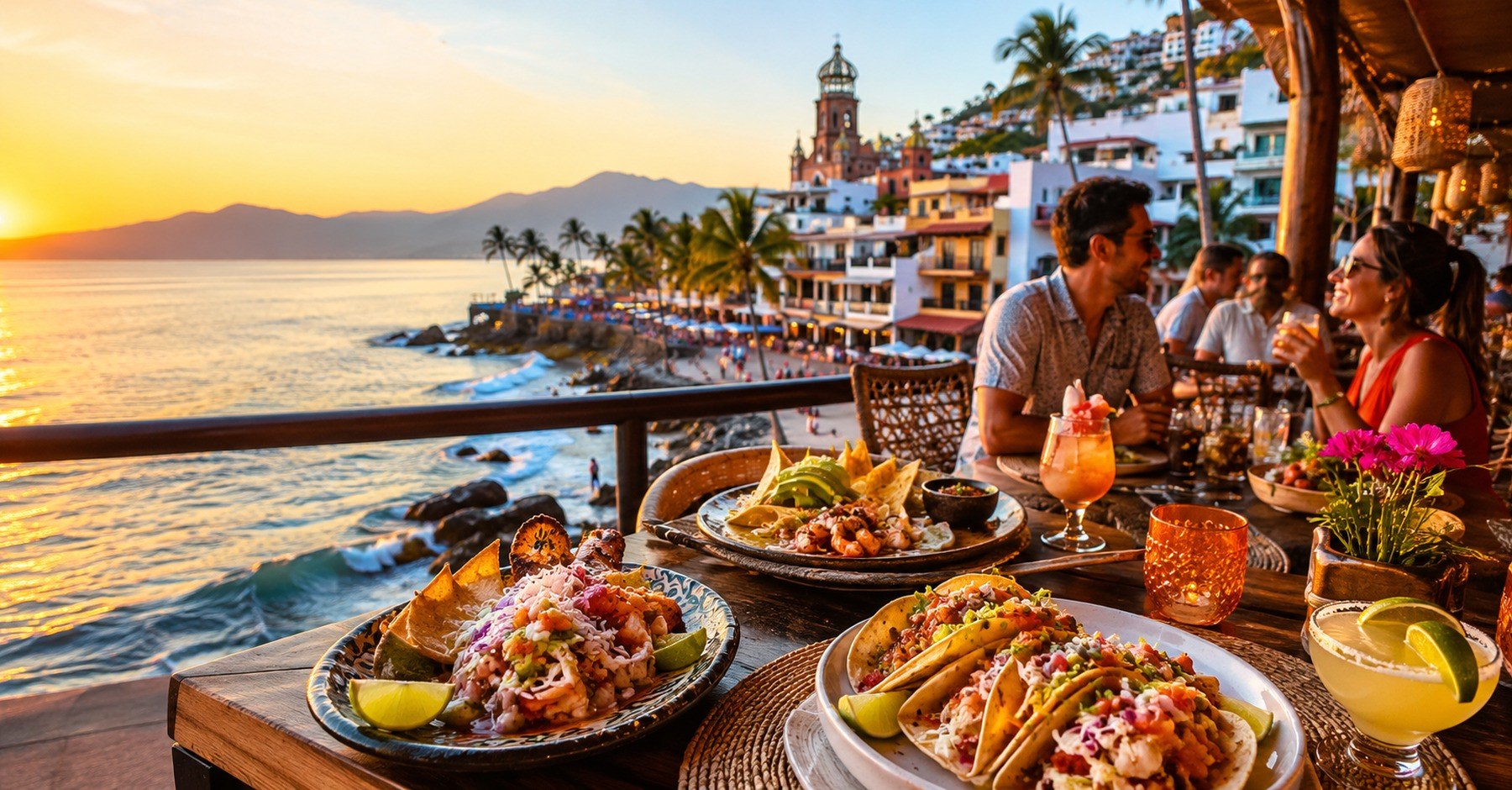
Puerto Vallarta has serious food range, from taco stands to reservation dinners, but the best meals usually come from choosing by neighborhood and current review patterns instead of trusting old top-ten lists.
The best restaurants in Puerto Vallarta are spread across Zona Romantica, Centro, Versalles, Marina, the Hotel Zone, and the south-shore beach routes. Plan one seafood meal, one taco or birria stop, one nicer dinner, and at least one meal outside the most obvious tourist blocks.
Puerto Vallarta is a strong food city, but it is not immune to tourist pricing, rushed service, and restaurants that coast on location. The best meals usually happen when you match the restaurant to the night: beach lunch, walkable dinner, late tacos, or a reservation worth taking a ride for.
Quick Answer
| Need | Best choice | Why it works | Watch out for |
|---|---|---|---|
| Zona Romantica | Tacos, bars, date-night dinners, and late meals | Dense choice and easy walking | Tourist pricing and noise rise near the busiest blocks |
| Centro and the Malecon | Traditional meals, seafood, and views | Good for mixed groups and first-timers | Promenade restaurants vary widely |
| Versalles | Modern bistros and chef-driven casual dining | Often better value than beachfront dining | Requires a taxi from many hotel areas |
| Marina and Hotel Zone | Resort-friendly dinners | Easy for families and quieter nights | Can feel less local and more expensive |
How To Build A Good Food Plan
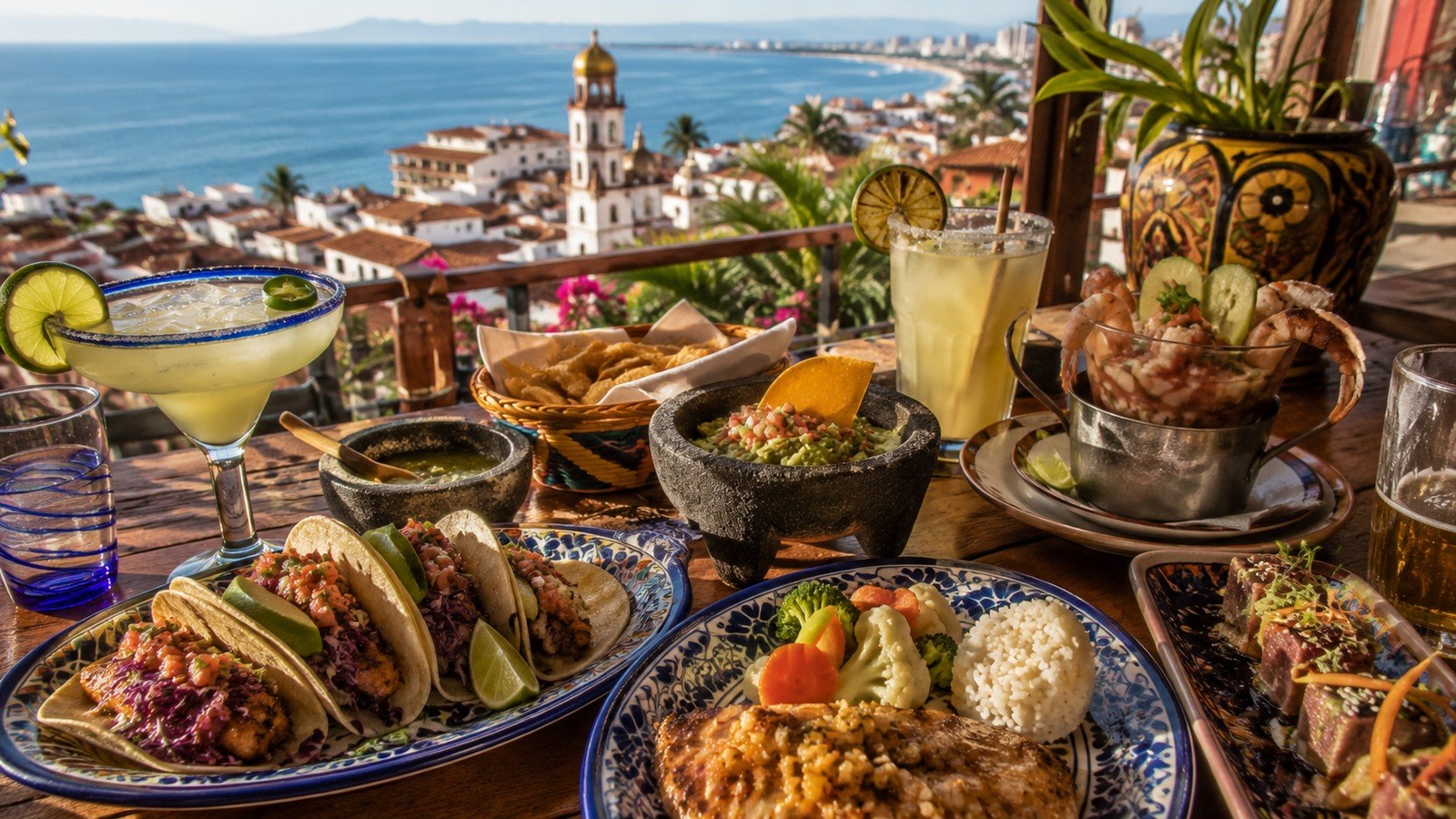
Do not turn every meal into a famous reservation. The strongest food trips mix one or two planned meals with markets, casual counters, tacos, seafood, bakeries, cafes, and spontaneous neighborhood finds. This keeps the trip flexible and makes the special meals feel special.
Choose restaurants by neighborhood, not only by rating. A high-scoring place across town can be a poor decision after a beach day or during heavy traffic. A great restaurant across town can be the wrong choice after a long beach or tour day. Match the meal to where you will already be.
Best Areas For Eating
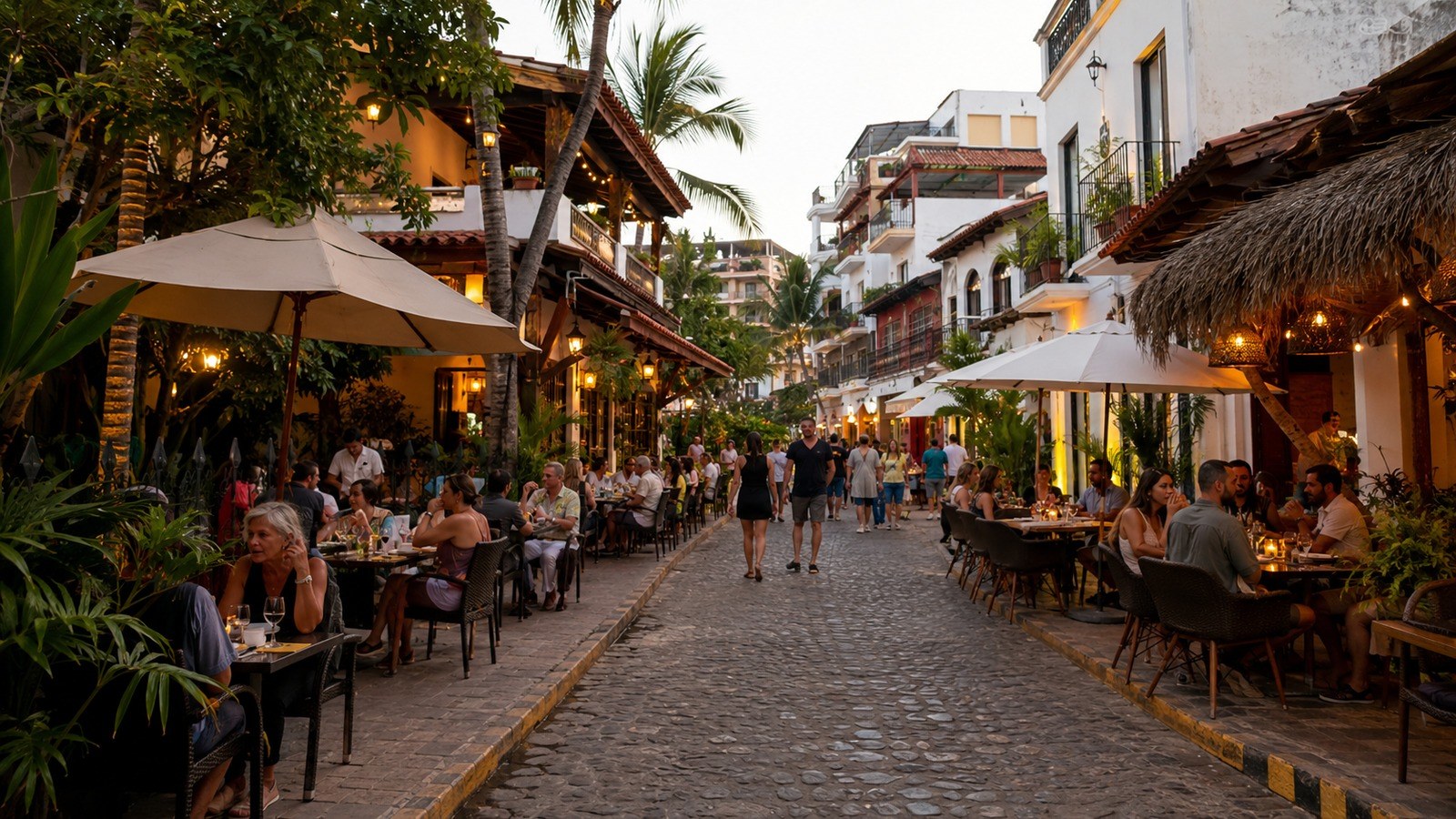
Use the areas as a filter. Central zones are easiest for first-timers and mixed groups. Residential or less tourist-heavy neighborhoods often deliver better value. Waterfront and high-traffic areas can be convenient, but they need stricter review reading because some restaurants survive on location more than repeat customers.
If you are planning one expensive meal, reserve it for a night when you are not arriving from a long tour, ferry, or airport transfer. Tired travelers are more sensitive to slow service and more likely to cancel badly.
What To Watch For In Reviews
Recent reviews matter in PV because ownership, staffing, and service quality change. PROFECO says tips are voluntary and prices should be clearly displayed, so question unexplained charges politely before paying. Look for repeated notes about rushed service, pressure to order more, surprise charges, stale seafood, weak air conditioning, loud rooms, or staff handling complaints poorly. A single bad night can happen anywhere; a pattern is different.
Also check whether the restaurant fits your group. Some small rooms are bad for toddlers. Some beach restaurants are fun at lunch but less appealing at dinner. Some tasting-menu spaces are memorable but not a good value for travelers who just want regional comfort food.
Tipping, Pricing, And Reservations
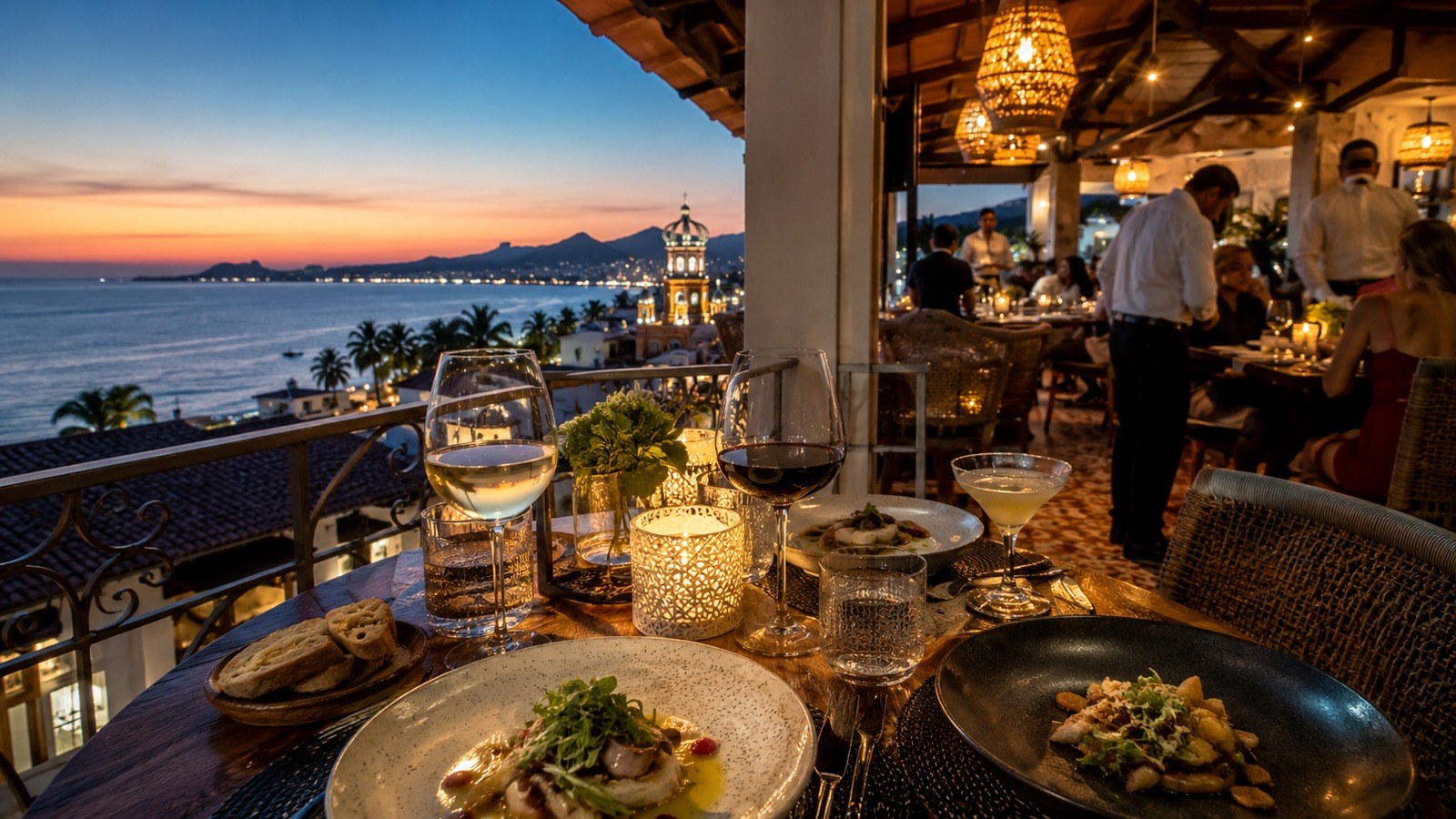
In Mexico, tipping is customary for good service, but it should be voluntary. Check whether a service charge has already appeared on the bill. Prices should be clear, including taxes, and menus should not leave you guessing about portions or currency.
Reserve for the meal that matters. For the rest, keep a shortlist by neighborhood so you can adapt to rain, heat, ferry delays, or a group that suddenly wants something simple.
A Balanced Food Day
A strong day might be market breakfast, a light casual lunch near the main activity, and one slower dinner. Another might be tacos after a beach day and a better restaurant the next night. You do not need to prove anything by eating heavily three times a day.
Drink water, pace mezcal or cocktails, and avoid seafood gambles from places with low turnover. Good food planning includes how you want to feel the next morning.
Practical Planning Checklist
Use this checklist before you commit money. First, confirm the base: the neighborhood, beach zone, resort corridor, or town center should support the way you want to spend mornings and evenings. A better hotel on the wrong side of the plan can create more stress than a simpler stay in the right place.
Second, check the current season and the current week. Holiday weekends, cruise schedules, festival dates, restaurant closures, storms, road work, demonstrations, and school vacations can all change the experience. A guide can tell you the normal pattern; your travel week decides the real one.
Third, identify the one decision that should not be improvised. That may be a transfer, a dinner reservation, a family-friendly beach day, a private driver, a ferry-timed plan, or lodging close enough to walk at night. Protect that piece first, then leave the rest flexible.
Fourth, build a fallback that you would actually enjoy. A backup should not feel like punishment. It can be a neighborhood meal, market visit, cafe, pool block, shorter beach, museum, spa hour, or early night. The point is to keep a weather shift or delay from turning into a failed day.
When I Would Skip Or Rethink It
Rethink this plan if the recent reviews show the same complaint again and again: surprise charges, poor safety handling, dirty facilities, unreliable pickups, construction noise, weak food turnover, aggressive selling, or management that blames guests instead of fixing problems. One bad review is noise; a repeated pattern is information.
Also rethink it if the plan depends on everyone moving fast. Travel days, heat, alcohol, kids, older relatives, motion sensitivity, and late dinners all reduce stamina. A plan that only works under ideal conditions is usually not strong enough for a real trip.
If the budget feels stretched, cut the lowest-value activity before cutting the piece that protects comfort. It is often smarter to keep the better location, safer transfer, or clearer beach setup and skip a filler tour than to save money in a way that makes every day harder.
Local Etiquette And Small Details
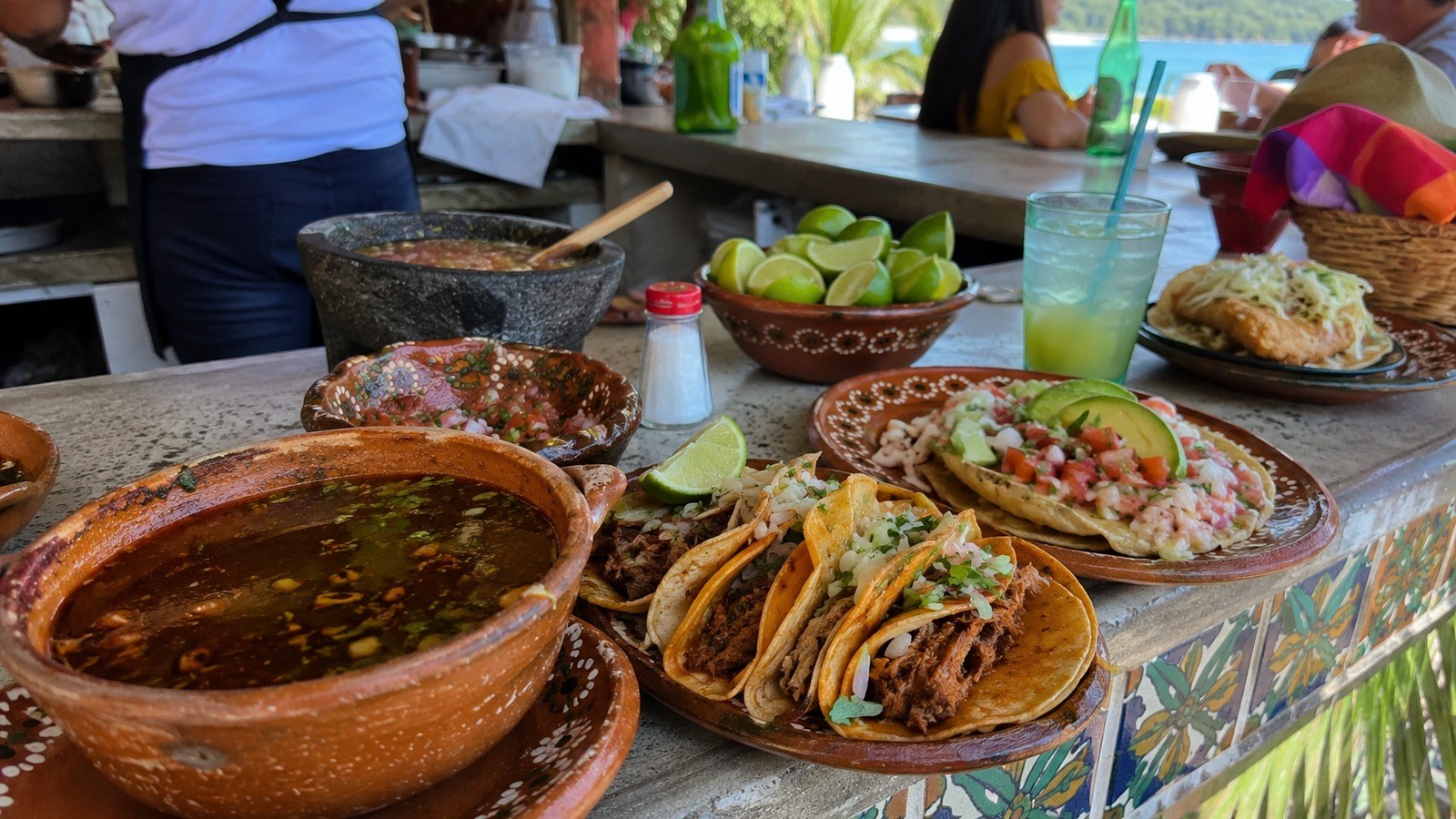
Carry small bills, greet staff before launching into requests, and ask questions calmly when a price or rule is unclear. A little Spanish helps, but attitude helps more. Many misunderstandings around taxis, menus, tours, and beach clubs come from assuming the system works exactly like it does at home.
Do not photograph people, ceremonies, kitchens, market stalls, or children as if they are scenery. Ask when the moment is personal or commercial. In food and craft settings, buy something or tip appropriately if someone gives time, explanation, or access. Respect is part of travel quality, not an optional extra.
For nature and beaches, leave wildlife alone, avoid standing on reef, take trash back with you, and follow local restrictions even when other visitors ignore them. The fact that someone else is behaving badly does not make it a good idea.
How To Read Recent Reviews
Read reviews by date, not just by average score. A three-year-old rave is useful background, but the last few months tell you more about staffing, construction, cleanliness, crowding, air conditioning, road access, and whether management fixes problems. Look for repeated patterns rather than one dramatic complaint.
Also match the reviewer to your trip. A backpacker may forgive noise that ruins a family stay. A honeymooner may dislike a busy beach that a group of friends enjoys. A cruise passenger may rank convenience higher than atmosphere. The right review is the one written by someone trying to have a similar day.
Safety And Comfort Notes
Good Mexico planning is not fear-based. It is practical. Keep the first and last movement of the day simple, avoid isolated late-night wandering, keep a charged phone and a small cash reserve, and check current advisories close to travel. Conditions can change after storms, road incidents, demonstrations, or security alerts.
For restaurants and bars, verify prices before ordering and look at the bill before paying. PROFECO guidance says restaurant prices should be clear and tips are voluntary, so unexplained service charges should be questioned politely. For beaches and boat days, check flags, weather, and operator instructions instead of relying on how calm the water looked in a photo.
Who This Works Best For
This guide works best for travelers who want a trip that feels local and enjoyable without pretending every option is equally good. It is for people who care about comfort, value, timing, safety, and the small logistics that decide whether a day feels smooth or tiring.
It is less useful if you only want the cheapest possible version or a list that ignores tradeoffs. Mexico rewards flexibility, but it also punishes rushed planning. Choose the option that makes your actual day easier, not the option that sounds most impressive in isolation.
Final Recommendation
The best choice is the one that protects your energy. Start with the highest-friction decision, keep the day focused, and leave room for weather, traffic, crowds, service delays, and human tiredness. A slightly simpler plan usually produces a better trip than a more ambitious plan that depends on every detail working.
Before booking, ask four questions: does this match the season, do recent reviews support it, is the return plan clear, and would you still choose it if it were not trending online? If the answer is weak, keep looking.
Helpful Next Reads
- Puerto Vallarta travel guide
- Where to stay in Puerto Vallarta
- Best hotels in Puerto Vallarta
- Puerto Vallarta itinerary
FAQ
Is best restaurants in puerto vallarta easy to plan?
It is manageable when you choose the right base, keep the day realistic, and verify current conditions before travel. It becomes harder when the plan depends on tight timing or old assumptions.
What should I book first?
Book the item most likely to create friction: the hotel area, a key dinner, a boat day, a private driver, a timed event, or a family-friendly activity with limited capacity.
What is the biggest mistake?
The biggest mistake is treating the destination as if every route, beach, restaurant, or season works the same way. The smarter move is to match your plan to the current weather, crowd level, budget, and traveler type.