Oaxaca Itinerary
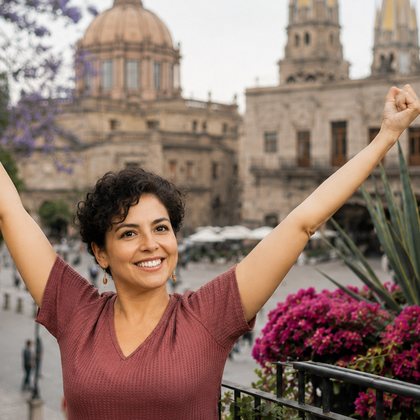
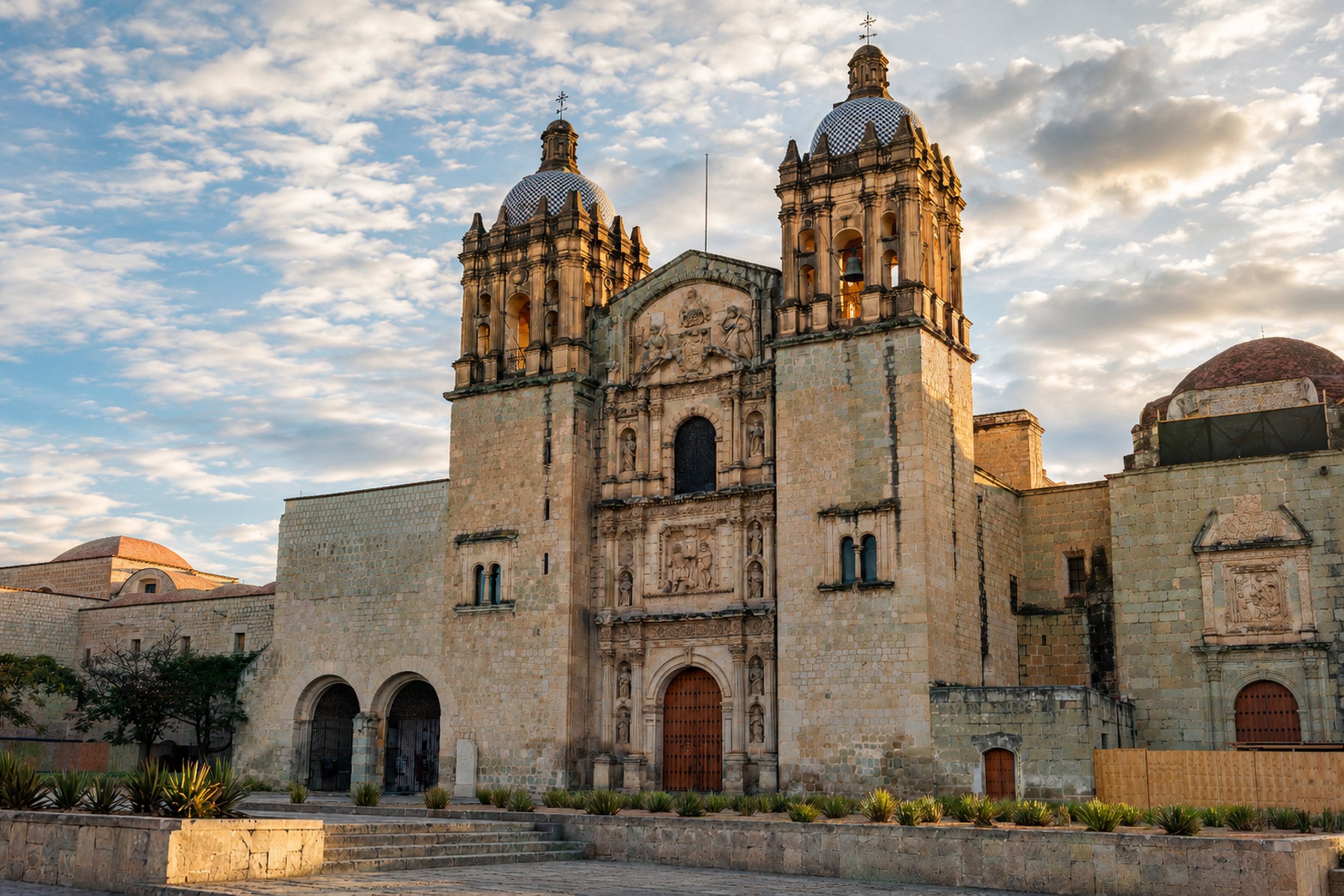
The best Oaxaca itinerary gives the city time to breathe: one arrival day in the historic center, one serious morning at Monte Albán, one valley or food day, and then only after that a bigger village, mezcal, or nature plan. Oaxaca punishes the traveler who treats it like a checklist. The punishment is not dramatic. It is subtler: the mole tastes rushed, the market becomes background noise, and every village starts to blur into "the place where we bought something quickly."
For most first-time visitors, I would plan three full days like this:
| Day | Main plan | Why |
|---|---|---|
| Day 1 | Arrive, Centro walk, Santo Domingo / Andador, easy dinner | Low-stress orientation |
| Day 2 | Monte Albán early, museum / garden / markets later | The essential archaeology day without melting in the sun |
| Day 3 | East Valley villages, Mitla / Teotitlán / mezcal, or a food / cooking day | Adds culture beyond the postcard center |
If you have four days, add a slower market-and-neighborhood day. If you have five, add Hierve el Agua, Tlacolula, a mezcal route, or a Sierra Norte plan depending on your timing. With a week, stop treating Oaxaca City as a base for extraction and give one or two villages real time.
Last reviewed: May 24, 2026. Recheck site hours, road conditions, protest / roadblock news, festival dates, and current safety guidance before booking nonrefundable plans.
Quick Answer
| Trip length | Best plan | Skip |
|---|---|---|
| 2 nights | Centro, Santo Domingo, one market, Monte Albán | Hierve el Agua, long mezcal routes, too many villages |
| 3 nights | Add East Valley or a serious food / cooking day | Trying to do Monte Albán and Hierve el Agua the same day |
| 4 nights | Add Jalatlaco / Xochimilco, museums, markets, or mezcal | A rushed "all villages" tour |
| 5 nights | Add Hierve el Agua, Tlacolula Sunday, Sierra Norte, or deeper craft route | Treating every day like a van tour |
| 7 nights | Slow Oaxaca City plus one village / nature focus | Turning the coast into a casual day trip |
Before You Build The Plan
Oaxaca is both a city and a state. This itinerary is for Oaxaca City and the Central Valleys, not for Puerto Escondido, Huatulco, Mazunte, or the coast. The coast is wonderful, but it is a separate leg, not a "maybe after lunch" decision. Even with better road connections than in the past, the mountains still have opinions.
The short-trip base should usually be Centro, Jalatlaco, Xochimilco, or the quieter edge of Reforma. Centro gives you the most walkability. Jalatlaco gives you color, cafes, boutique stays, and a slightly softer landing. Xochimilco is older, quieter, and charming if you do not mind a little more walking. Reforma is practical and calmer, but it can feel less like the Oaxaca people imagine when they book.
For a first trip, do not stay far out to save a little money unless you have a car, a trusted taxi contact, or a very specific reason. Oaxaca is not impossible to move around, but the city has traffic, narrow streets, occasional demonstrations, and festival crowds. Location is not only about romance. It is about how much energy you still have at 9 p.m.
Season matters. Guelaguetza season in July and Día de Muertos around late October and early November can be beautiful, crowded, expensive, and emotionally uneven. The traditions are real; the tourism pressure is also real. Book earlier, move slower, and remember that not every ceremony is an invitation to step closer with a camera.
Rainy season can be lovely, especially when the valleys turn green, but afternoon rain can change walks, taxis, and rooftop plans. Dry season brings clearer skies and dustier hills. Monte Albán, Hierve el Agua, and market days are better early.
Day 1: Arrival, Centro, And A Gentle First Dinner
Do not schedule Monte Albán, Hierve el Agua, or a mezcal route on arrival day. Oaxaca International Airport is close enough to the city that the transfer feels simple, but travel still takes the edge off people. If you arrive by bus from Mexico City, Puebla, or the coast, the first thing you need is not another vehicle. It is water, a shower, and a slow walk.
Good Day 1 plan:
| Time | Plan |
|---|---|
| Afternoon | Check in, cash / ATM, water, short rest |
| Late afternoon | Santo Domingo exterior, Andador Turístico, nearby galleries or shops |
| Sunset | Zócalo or a rooftop only if the group still has energy |
| Dinner | Reserved table or simple walkable restaurant |
| After dinner | Confirm tomorrow's Monte Albán transport or tour |
Start with the historic center, but do not try to "finish" it. Oaxaca is best when the first walk is almost inefficient: green cantera stone, church bells, a woman carrying herbs, the smell of chocolate from a molino, a brass band appearing as if the street itself had been keeping a secret.
If you have energy, walk around Santo Domingo de Guzmán and the Andador Turístico. If not, stay closer to your hotel and make the first dinner easy. The city will still be there tomorrow. Oaxaca does not reward panic.
For markets on the first day, keep it light. Benito Juárez and 20 de Noviembre are more approachable than trying to tackle every market while hungry and tired. The smoke hall in 20 de Noviembre can be memorable, but it can also be overwhelming if you arrive at peak time with luggage-brain. If you are sensitive to smoke, go earlier or choose another dinner.
Day 2: Monte Albán Early, City Culture Later
Day 2 should start with Monte Albán. INAH lists Monte Albán as one of Oaxaca's major archaeological zones, and it deserves a clear morning, not the leftovers of a crowded afternoon. Go early for cooler air, softer light, and fewer people wandering through the same photos.
Monte Albán is powerful because of its position: a leveled mountaintop above the Central Valleys, once the political and ceremonial heart of Zapotec power. It is not a place to rush only for the view. Stand still for a minute. The silence up there carries.
How to do it:
| Option | Best for | Watch out for |
|---|---|---|
| Taxi / private driver | Couples, families, flexible timing | Confirm pickup and return plan |
| Small guided tour | First-timers who want context | Avoid tours that squeeze in too many unrelated stops |
| Public / shared transport | Budget travelers | More friction, less flexible |
| Rental car | Confident drivers | Parking, city traffic, and insurance |
Bring water, hat, sunscreen, and shoes that can handle uneven stone. This sounds basic until you see someone trying to climb a platform in sandals made for hotel hallways.
After Monte Albán, do not stack another distant site unless you are intentionally booking a long tour day. Return to the city, eat, rest, and choose one softer afternoon:
- Museo de las Culturas de Oaxaca if open and your group wants historical context.
- Jardín Etnobotánico if you can get into a guided visit.
- Jalatlaco for a slower neighborhood walk and cafes.
- Xochimilco for aqueduct streets and quieter color.
- A cooking class or food tour if that is the reason you came.
This is also a good night for a better dinner reservation. Oaxaca has casual food everywhere, but the restaurant scene now books up quickly around weekends, festivals, and high season. The trick is not to chase only famous names. Mix one polished meal with market food, fondas, bakeries, tlayudas, memelas, and whatever your hotel owner quietly tells you is better than the place everyone is posting.
Day 3: Choose East Valley, Food, Or Mezcal
Day 3 is the choice that defines the trip. You can go east into the valley, stay in the city for food and markets, or build a mezcal / craft day. Choose one direction and do it well.
Option A: East Valley Villages
This is the classic day trip: El Tule, Teotitlán del Valle, Mitla, possibly Hierve el Agua, and sometimes a mezcal stop. It can be excellent. It can also become a conveyor belt if the tour tries to touch everything.
The better version has fewer stops and more attention:
| Stop | Why go | Honest caution |
|---|---|---|
| El Tule | Enormous ancient tree, easy short stop | Do not overbuild the day around it |
| Teotitlán del Valle | Weaving, natural dyes, Zapotec craft traditions | Buy respectfully; do not treat workshops as theater |
| Mitla | Archaeology with intricate stone mosaics | Needs context to feel alive |
| Hierve el Agua | Mineral formations and valley views | Long road, crowds, and mixed reviews when overpacked |
| Mezcal palenque | Agave, roasting, distillation, tasting | Avoid tours that make drinking the only point |
If you do Hierve el Agua, understand what it is and what it is not. It is not a hot spring in the spa sense, and it is not always a peaceful hidden place. Travelers often love the views and mineral formations; others leave disappointed by the distance, crowds, road, or commercial feel. Both reactions can be true. Go because you want the landscape and are willing to spend the time, not because the internet told you every Oaxaca trip must include the same blue pool photo.
Option B: Food And Markets Day
Choose this if Oaxaca's food is your main reason for traveling. A good food day can be better than a famous day trip because it lets you understand the city through ingredients: maize, cacao, chiles, herbs, smoke, bread, fruit, clay cups of tejate, and the quiet seriousness of people who have been doing this work since before it became content.
Possible rhythm:
| Time | Plan |
|---|---|
| Morning | Market walk with breakfast, chocolate, pan de yema, or tamales |
| Midday | Cooking class, mole workshop, or guided market route |
| Afternoon | Rest, Jalatlaco / Xochimilco walk, small gallery |
| Evening | Tlayudas, mezcal bar with restraint, or reservation dinner |
This is the day to use a guide if you are nervous about ordering, want context, or care about indigenous food traditions beyond "best bites." A good guide should slow you down, explain what you are tasting, and help you behave like a guest, not a hunter collecting dishes.
Option C: Mezcal And Craft Route
Mezcal can be beautiful, but it deserves more than a party bus. Look for small producers, transparent tasting fees, safe transportation, and a guide who can explain agave, roasting, fermentation, distillation, and community context without turning every stop into pressure to buy.
If you plan to drink, do not drive. Also, do not schedule a serious mezcal day before an early airport transfer. That is not culture; that is poor project management with nicer glassware.
Four-Day Oaxaca Itinerary
With four days, the itinerary becomes much kinder.
| Day | Plan |
|---|---|
| Day 1 | Arrival, Centro, Santo Domingo, easy dinner |
| Day 2 | Monte Albán early, museum / garden / neighborhood afternoon |
| Day 3 | East Valley villages OR food / cooking day |
| Day 4 | The option you did not choose on Day 3, plus a slower evening |
This is my favorite first-trip length. It gives you one archaeology day, one valley or food day, and one day for wandering without guilt. Oaxaca's smaller moments need room: a courtyard, a print shop, a bakery line, a church plaza when the light changes.
Five-Day Oaxaca Itinerary
Five days lets you add a more specific interest.
| Interest | Add this |
|---|---|
| Food | Cooking class, Tlacolula Sunday market, deeper market guide |
| Craft | Teotitlán weaving, San Bartolo Coyotepec black pottery, Atzompa ceramics |
| Nature | Hierve el Agua or Sierra Norte day |
| Mezcal | One serious palenque route with a driver |
| Festivals | Build one recovery day after the big event night |
If your fifth day is a Sunday, consider Tlacolula market. It is not a polished museum version of Oaxaca; it is a living regional market, which means it can be crowded, chaotic, beautiful, and not arranged for your convenience. Go with humility, cash, patience, and an appetite.
Seven-Day Oaxaca Itinerary
With a week, stop adding stops and start adding depth.
| Days | Plan |
|---|---|
| 1-3 | Oaxaca City, Monte Albán, food, Centro / Jalatlaco / Xochimilco |
| 4 | East Valley villages, Mitla, Teotitlán, mezcal |
| 5 | Tlacolula, craft village, or Hierve el Agua |
| 6 | Sierra Norte, cooking, printmaking, or a slower village day |
| 7 | Favorite repeat, shopping with intention, recovery, departure prep |
Do not automatically turn a week into Oaxaca City plus the coast unless you want a faster trip. The coast belongs to a different rhythm: flights, mountain roads, beach weather, surf, heat, and a completely different set of decisions. A week in the Central Valleys can be full without once touching the Pacific.
What To Book First
Book these early:
- Hotel for Guelaguetza, Día de Muertos, Christmas / New Year, Easter / Semana Santa, and long weekends.
- Monte Albán tour or driver if you want a guide or a reliable early departure.
- Cooking class or food tour with a respected guide.
- Jardín Etnobotánico guided visit if it matters to you.
- East Valley or Hierve el Agua tour with clear pacing and pickup details.
- Dinner reservations for specific restaurants during high-demand dates.
- Airport transfer if arriving late or traveling with family.
For 2026, Oaxaca's cultural calendar deserves extra checking. The state culture ministry opened the process for Guelaguetza 2026 delegations, and the official festival Mondays typically drive hotel demand in July. Treat July planning as serious planning, not casual browsing.
Budget And Timing Reality
Oaxaca can be good value compared with Mexico City or beach resorts, but it is no longer a secret budget city. Boutique hotels, tasting menus, private drivers, guided food routes, and festival weeks can make a trip expensive quickly.
Ways to control cost without flattening the trip:
| Cost issue | Smarter move |
|---|---|
| Too many day tours | Pick one or two that actually need a guide |
| Far hotel | Pay for location if it saves daily taxis |
| Famous restaurants every night | Mix markets, fondas, bakeries, and one special meal |
| Private driver every day | Use walking days inside the city |
| Shopping without context | Buy fewer things from better sources |
Carry cash in small bills for markets, taxis, tips, bathrooms, and village purchases. Cards are common in polished places, but cash still makes many local interactions smoother.
Reality Check
Oaxaca is beautiful, but it is not a museum built for visitors. People live, work, protest, worship, mourn, and sell here. That means the best itinerary leaves room for things that do not behave like an app: a closed street, a late meal, a workshop that asks for patience, a village celebration, a taxi that takes longer than expected, a market aisle too crowded to move through quickly.
The most respectful version of the trip is also usually the most enjoyable one. Buy less and ask more. Take fewer photos and notice more. If a plan starts to feel like you are extracting culture at speed, slow it down. Oaxaca can handle your curiosity. It does not need your rush.
Safety, Protests, And Road Reality
Oaxaca City is one of Mexico's most rewarding cultural destinations, but it is not a fantasy town outside real life. The U.S. State Department currently places Oaxaca state at an increased-caution level and notes restrictions for U.S. government employees in some parts of the state, while allowing travel to Oaxaca City, Monte Albán, Puerto Escondido, and Huatulco by approved routes. Canada also warns travelers in Mexico to avoid demonstrations, monitor local news, and expect disruptions when protests or roadblocks occur.
For this itinerary, the practical issues are simple:
- Avoid demonstrations and roadblocks. Do not try to walk through them for photos.
- Add time before airport and bus departures.
- Use taxis or arranged rides at night, especially outside the core.
- Keep phones and wallets secure in crowded markets.
- Do not flash jewelry or expensive cameras in busy areas.
- If a road to Hierve el Agua, the Isthmus, or the coast is disrupted, change the plan instead of forcing it.
This is not a reason to be afraid of Oaxaca. It is a reason to plan like an adult. The city is generous, but it is still a working city with politics, labor actions, traffic, uneven sidewalks, and neighborhoods that feel different after dark.
What I Would Skip
I would skip:
- Tours that combine Monte Albán, multiple villages, mezcal, and Hierve el Agua in one exhausting day.
- Hierve el Agua on a two-night trip unless it is your main reason for coming.
- Workshops where artisans are treated like props.
- Driving after mezcal tastings.
- Late-night walks back to isolated lodging.
- Photographing ceremonies, cemeteries, or private family moments without clear permission.
- Buying cheap "artisan" goods without asking where and how they were made.
- Planning the coast as a quick add-on to a three-day Oaxaca City itinerary.
Helpful Next Reads
FAQ
How many days do you need in Oaxaca?
Three full days is the minimum for a satisfying first Oaxaca City itinerary: one arrival / center day, one Monte Albán day, and one food, mezcal, or valley day. Four or five days is better because it lets you slow down instead of compressing every village and market into one tour.
Is three days in Oaxaca enough?
Yes, if you keep the plan focused. Do Centro, Santo Domingo, Monte Albán, one market or food experience, and either East Valley or a cooking / food day. Skip Hierve el Agua unless you are willing to give it a full day shape.
Should I visit Hierve el Agua from Oaxaca?
Visit Hierve el Agua if you want landscape, mineral formations, and a longer valley outing. Skip it on a short trip if crowds, road time, or a packed tour would annoy you. It is beautiful for some travelers and overrated for others.
Where should I stay for a first Oaxaca trip?
Stay in Centro, Jalatlaco, or Xochimilco for a first visit if you want walkability and atmosphere. Reforma is better for calmer nights, parking, and practical stays, but it is less atmospheric for a short first trip.
Is Oaxaca safe for tourists?
Many travelers visit Oaxaca City safely, but you should still watch current advisories, avoid protests and roadblocks, use reliable transport at night, keep valuables secure in markets, and add time for disruptions. Safety is mostly about avoiding predictable weak points.